
Hyundai Australia has confirmed that its new i30 Sedan will be launching in the first half of 2027. The new version is one of the first products to wear the brand’s angular new ‘Art of Steel’ design language and will also be larger than the model it replaces. It will be the only non-performance i30 bodystyle in Australia after the hatchback was killed off locally in 2025.
Hyundai is yet to confirm any details about the Australian specification of the car, but WhichCar by Wheels expects it to launch with only a hybrid drivetrain. In the South Korean-spec model is an uprated version of the current model’s 1.6-litre hybrid drivetrain, this time making 115kW of power (up from 104kW).
South Korean hybrid models offer a claimed 10 per cent improvement in fuel consumption, potentially giving the new model a combined fuel consumption rating closer to 3.5L/100km once it lands in Australia, making it one of the most fuel efficient plugless cars sold here.
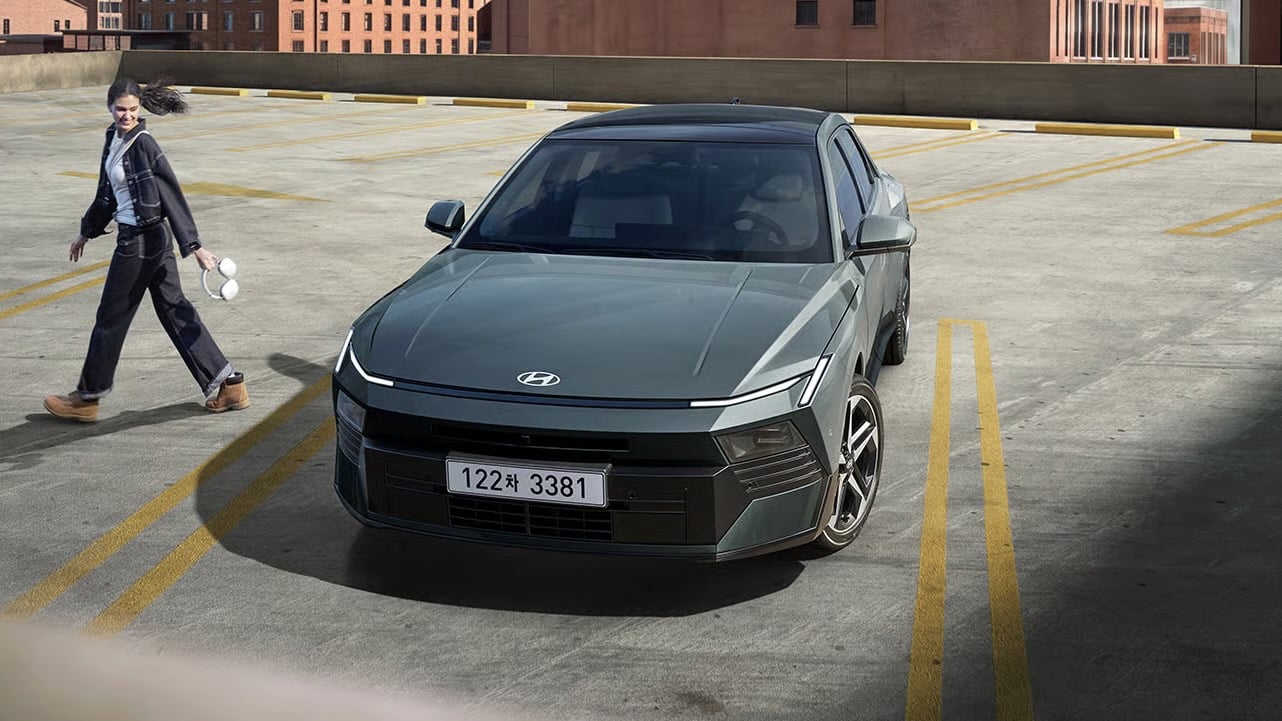
As with the current model in Australia, a 2.0-litre petrol engine is also offered in South Korea. Unlike the hybrid’s six-speed dual-clutcher, the petrol uses a CVT automatic and in new-generation form, makes the same 110kW power and 180Nm torque outputs.
The need for more fuel efficient vehicles under Australia’s NVES emissions scheme, however, is a likely reason for Hyundai Australia to only offer the hybrid drivetrain here. That’s at least until eventual N Line and N models come to fruition, which could add turbocharged petrol engines to the range.
In South Korea, three models are currently offered: entry-level Modern, mid-spec Premium and top-spec Inspiration, a line-up we’re also expecting locally but with a different naming structure, potentially i30 Sedan, Elite and Premium, like the current model.
South Korean-spec cars are available with either 12.9- or 14.6-inch touchscreens, a 9.9-inch driver’s display – which is optional on the base model – and even a Bang & Olufsen audio system. The touchscreens feature Hyundai’s new ‘Pleos’ infotainment software, which will also feature in the new generation Tucson medium SUV that was also recently revealed.
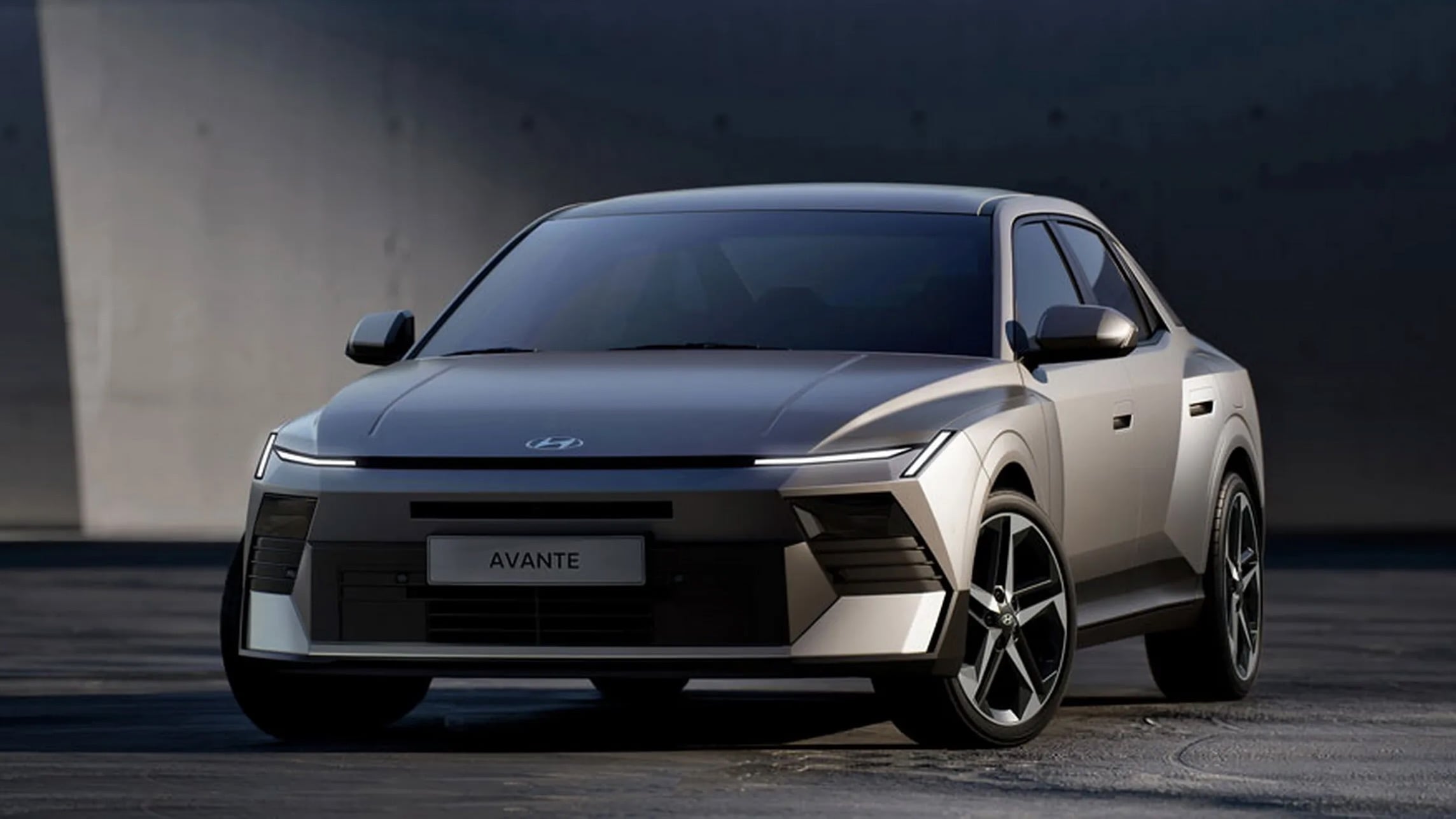
The base model in South Korea also features a synthetic leather steering wheel and gear knob, door handle lighting and a smart-opening bootlid, the Premium adds heated and ventilated front seats, dual-zone automatic climate control and double-layered glass, while the Inspiration further adds LED turn signals, gloss black exterior trims, electric front seats with driver’s memory settings, paddle shifters, synthetic leather dashboard trims and metal pedals.
Considering the growth spurt, new features and potentially standard hybridisation, we’re expecting price rises for the new i30 Sedan. For reference, the current model starts at $30,000 plus on-road costs for the entry-level 2.0-litre petrol model, and $33,250 +ORC for the entry-level 1.6-litre hybrid.
Australian pricing and specifications for the new Hyundai i30 Sedan will be announced closer to its local arrival in the first half of 2027.
Globally, Hyundai has been flirting with getting its hands dirty for a couple of years now. No longer content to offer a range of soft-roaders, the Korean brand fortified its line-up of SUVs with a pair of terrain-friendly sub-brands, XRT and XRT Pro.
The XRT badge, akin to Hyundai’s N-Line, made its debut in 2022 across a couple of SUVs in North America – Tucson, Santa Fe – as well as the brand’s Santa Cruz pick-up truck.
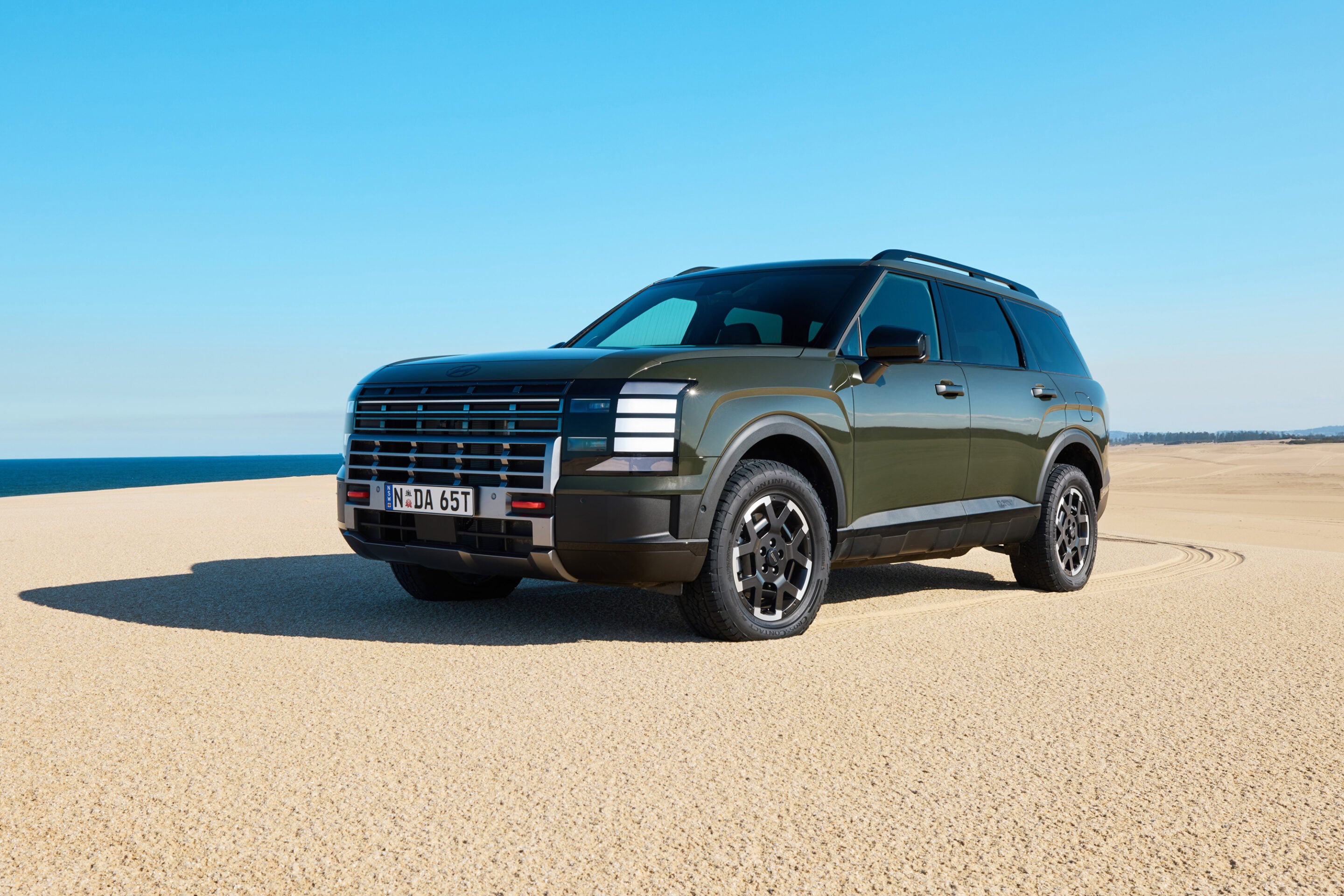
Here in Australia, Hyundai dipped its toes in the mud with the Santa Fe XRT in 2025 which enjoyed a number of rugged body enhancements including all-terrain tyres fitted to smaller wheels, 25mm lifted suspension, skid plates and side steps. But while the Santa Fe XRT looked the goods, all chubby-tyred and bash-plated, it lacked the mechanical updates to be considered a serious off-road competitor to the likes of Toyota LandCruiser Prado and Ford Everest.
But that’s all changed with the launch of the Hyundai Palisade XRT Pro which has landed in Australia with some off-road hardware to match its toughed-up looks.
How much is the Hyundai Palisade XRT Pro?
Just a single variant wears the XRT Pro badge and it slots in at the more affordable end of the Palisade model walk.
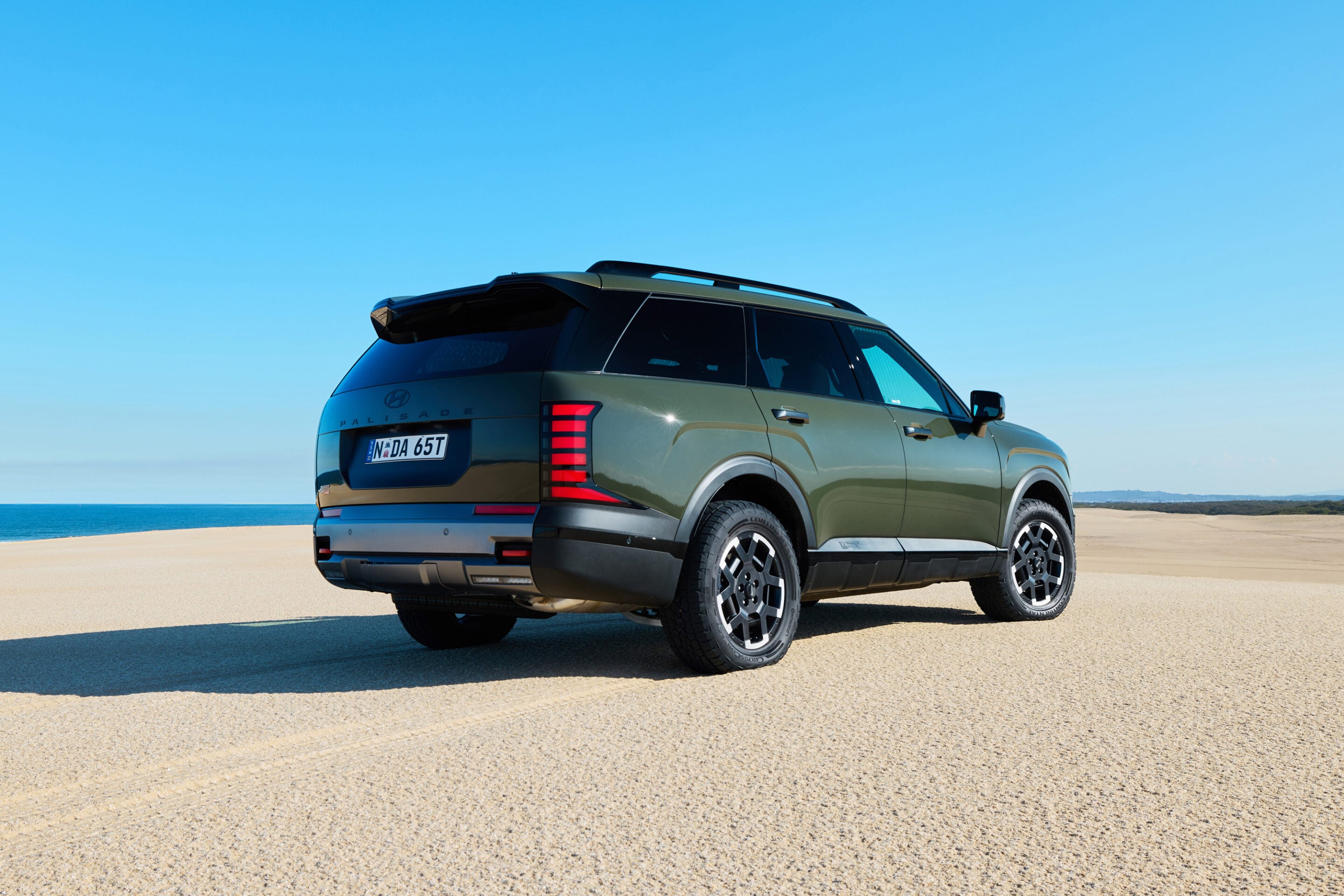
Priced from $79,900 plus on-road, the Palisade XRT Pro commands a $3400 premium over the entry-level Palisade Elite on which it’s based.
The XRT Pro does a good job of justifying the extra spend over the Elite. It sits on smaller 18-inch wheels, clad in Continental Cross Contact all-terrain rubber while ground clearance has been increased by 25mm, now quoted at 212mm. The suspension has been reworked, with new hardware and a unique XRT Pro tune that prioritises off-road ability. There’s also an electronic rear limited-slip diff.
Underneath, there’s a non-hybrid 2.5-litre turbo-four which in this trim makes 207kW/422Nm, up from the 192kW and 353Nm in the Elite, although it’s worth noting the Elite’s hybrid system bumps combined outputs to 245kW and 460Nm.
A new eight-speed automatic transmission replaces the Elite’s six-speed unit. The result is increased towing capacity, now rated at 2200kg braked, up by 200kg over hybrid Palisades. A factory-fitted towbar is standard as are self-levelling dampers which adjust and maintain ride height depending on how much weight is on board. There are also several terrain drive modes, including sand, mud and snow.
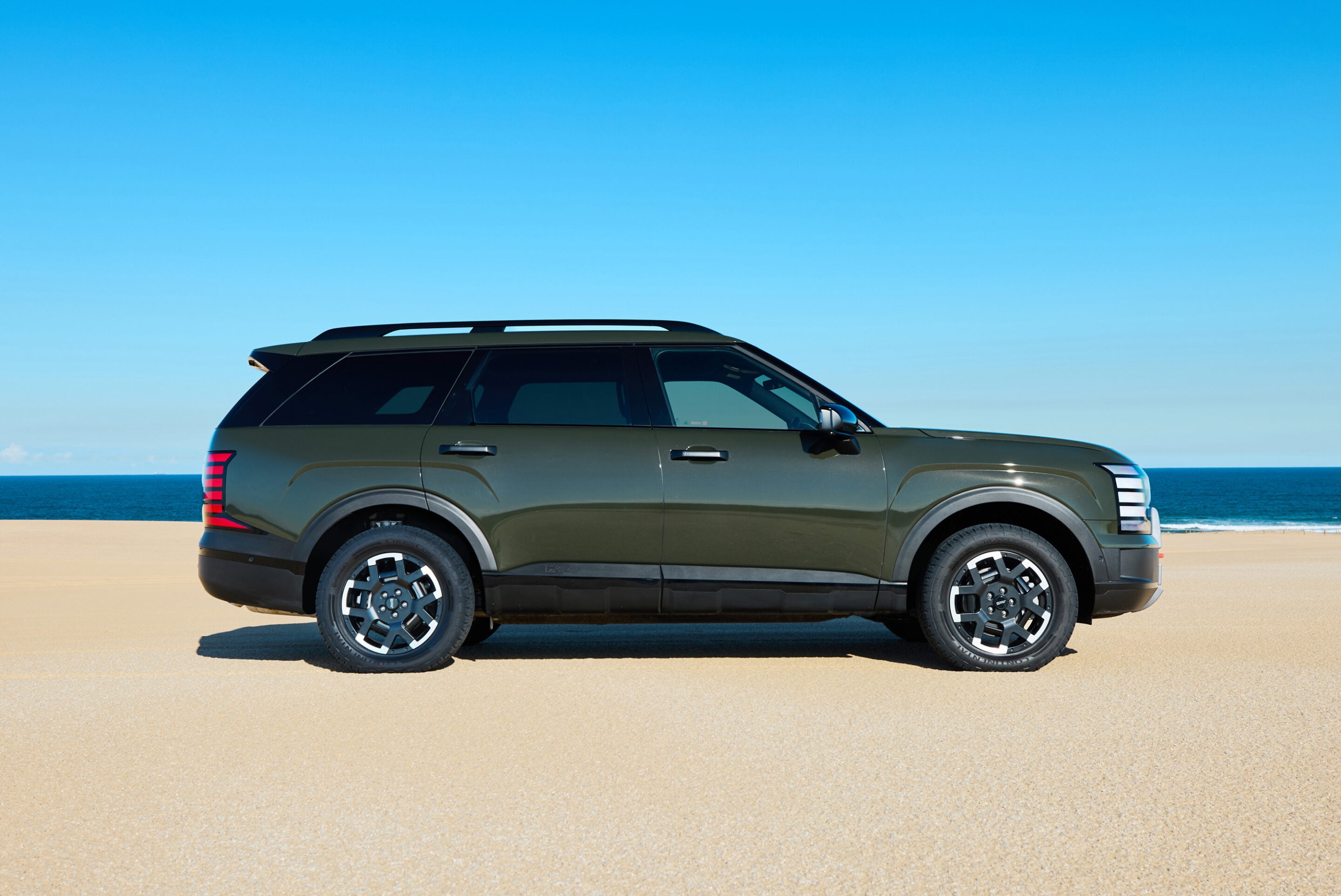
Outside, the XRT Pro distinguishes itself with skid-plates, a horizontal light bar, darkened XRT-Pro embossed elements and functional red recovery hooks attached directly to the chassis.
What’s the Hyundai Palisade XRT Pro like on the inside?
The XRT Pro treatment continues in the cabin with unique faux-leather power adjustable seats. XRT Pro branding is everywhere, including in the instrument cluster where gauges that show pitch, roll and steering angles will prove useful when out in the wild. A ground view monitor projects images of what’s underneath the Palisade, also useful when trying to navigate gnarly trails.
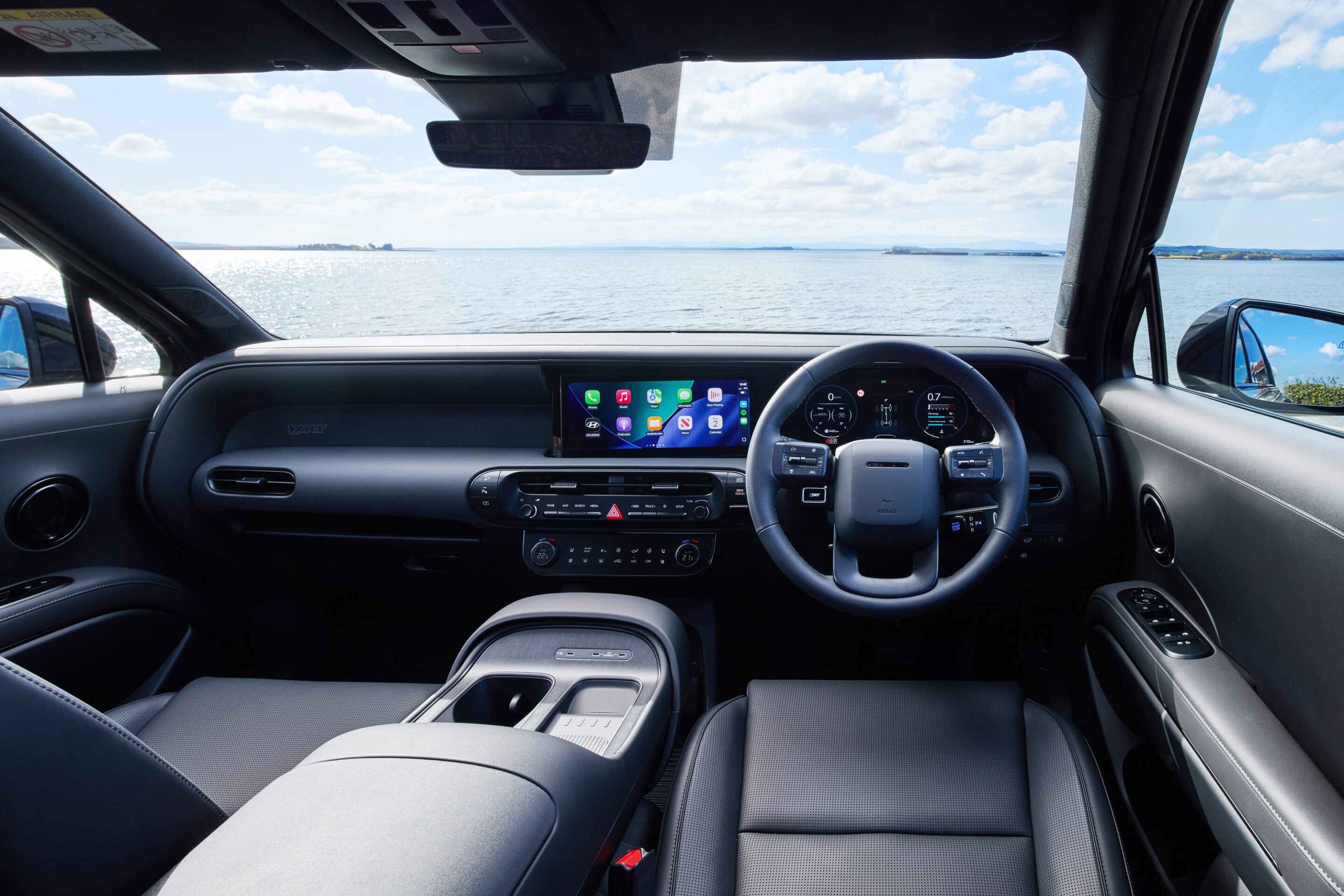
The rest is pure Hyundai Palisade with seating for eight, big screens (12.3-inch infotainment and another 12.3-inch digital instrument cluster), a heated steering wheels, 14-speaker Bose sound system, sat-nav, dual-zone climate control, heated and ventilated front seats, and a sunroof.
There is practicality to the cabin that’s hard not to be impressed by. The Palisade has eight seats, and while that usually comes with compromise, especially in the third row, the Hyundai packaging gods have ensured that even adults can fit – comfortably – into seats six, seven and eight. There aren’t a lot of seven- or eight-seaters that can make that claim.
Up front, the power adjustable seats are well bolstered and supportive. You sit high in the cabin, with a commanding view over the bonnet and onto the road ahead while the Palisade’s blunt angles and squared off edges take the guesswork out of placing the big lugger on the road and in car parks.
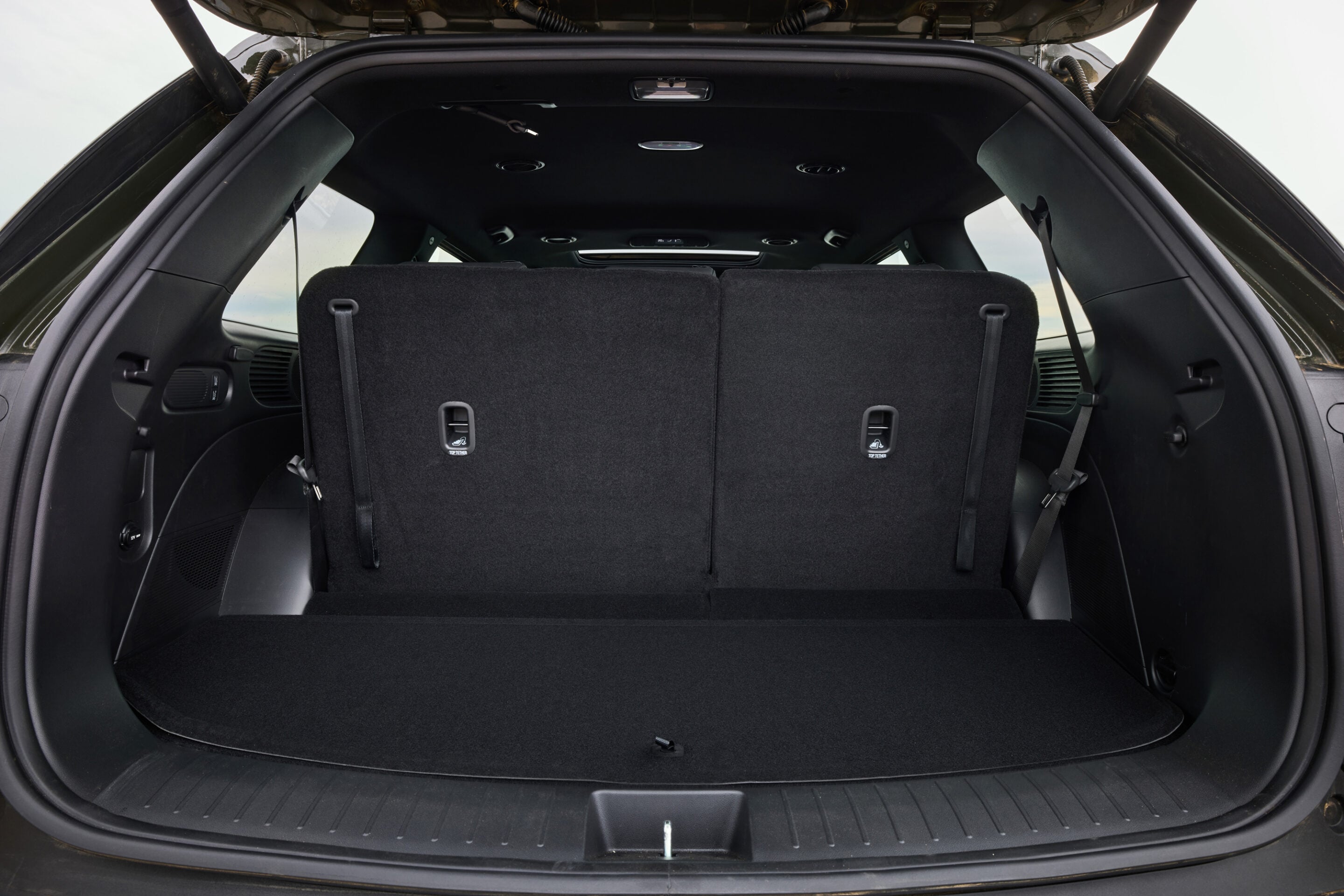
There are plenty of nooks, bins and crannies to stow small stuff while out back, even with the third row in use, there’s a usable 317 litres of luggage capacity, expanding to 729 litres and a monster 2098L with the third and second rows folded away respectively. Bonus points to Hyundai for a full-size alloy spare wheel hanging off the XRT Pro’s undercarriage. Nice one.
How does the Hyundai Palisade XRT drive on the road?
Pretty much like any other Palisade, is the short answer. The 2.5-litre petrol four-pot has enough poke for day-to-day driving. Sure, in XRT Pro trim there is no hybrid assistance to provide that extra zing from take-off, but you’d be hard-pressed to notice the difference.
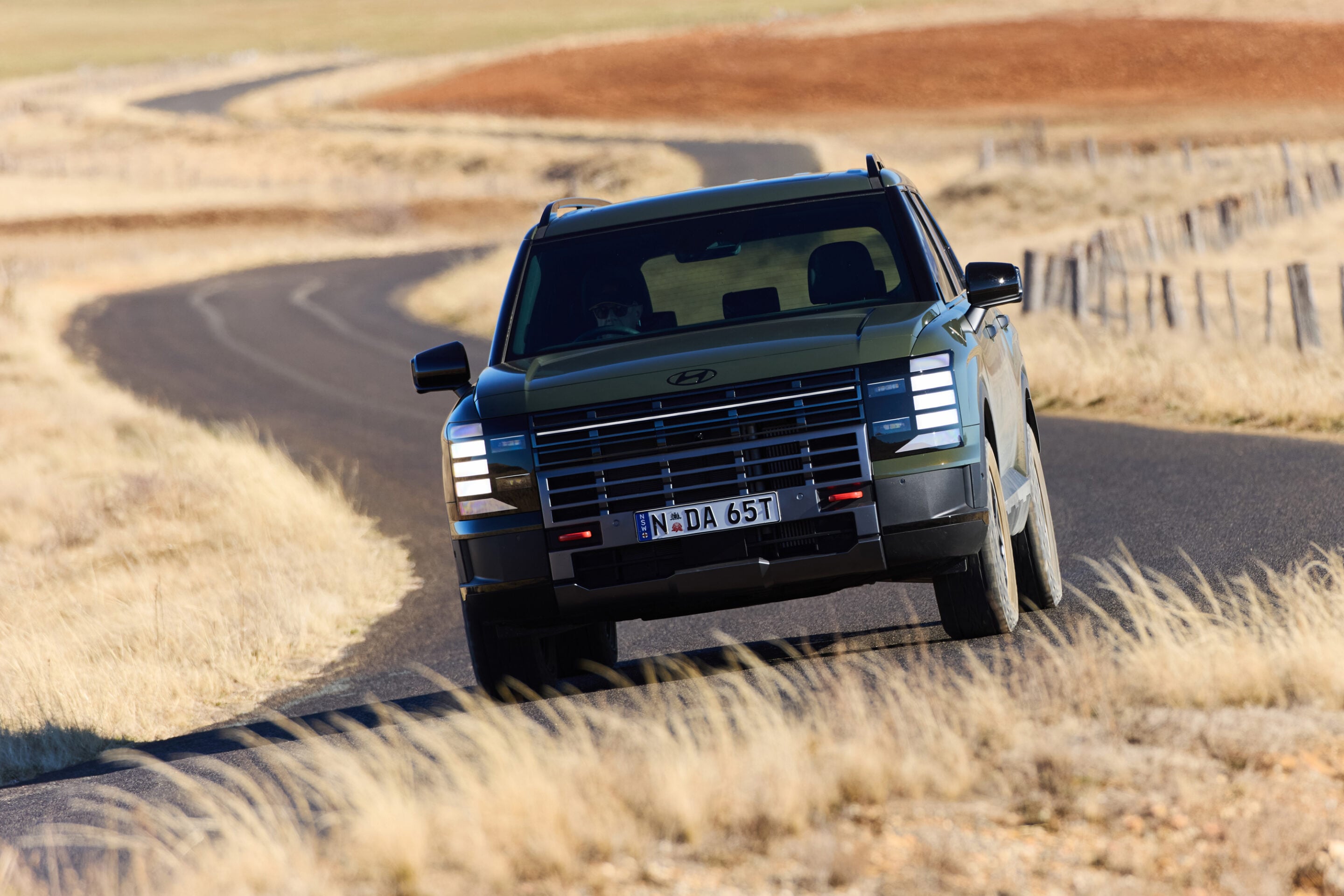
Where the XRT Pro shines on the road is ride comfort. Those smaller wheels and big rubber (the sidewalls measure in at 153mm) combine to isolate minor road irritants and bumps with aplomb, the big SUV simply gliding over imperfections. It’s not softly sprung, not by a long stretch, but there’s a composure under wheel, even over bigger obstacles like speed bumps, that’s hard not to be impressed by.
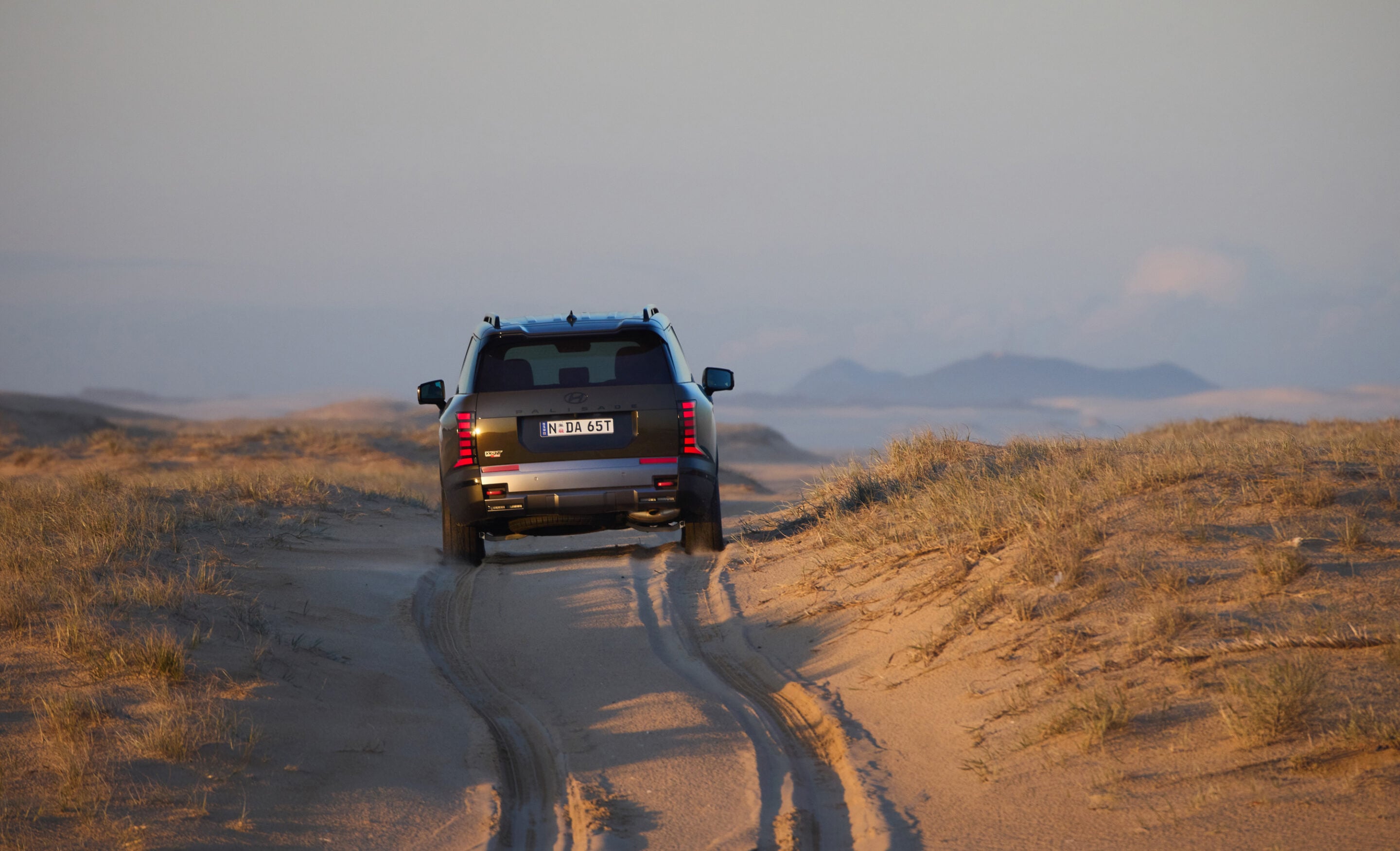
The steering feels light and accurate, highlighted by a short trip through some winding back roads while brake pedal feel is good. The brakes themselves, ventilated rotors – 345mm up front and 325mm at the rear – do a good job of retarding speed in a predictable manner.
And despite the presence of those chunky Continental tyres, road noise is kept nicely at bay. Of course, you hear some ‘wooshing’ from wheels on bitumen, but it remains well within acceptable levels.
Simply, the XRT Pro doesn’t stray too far from the regular Palisade’s demeanour on the road, a large, easy-to-drive-and-place SUV that offers composure and comfort in equal measure. It’s worth noting that the addition of all-terrain hardware hasn’t compromised the Palisade’s underlying family-friendly on-road worthiness. And that’s not always a given in this segment.
Is the Hyundai Palisade XRT Pro a capable off-roader?
To answer that question, Hyundai Australia laid on some pretty gnarly off-road tracks – variously muddy and bouldered – at a dedicated facility on Sydney’s outskirts.

To be clear, this rugged Palisade isn’t going to be a contender for crossing the Simpson Desert or climbing up Beer O’Clock Hill, but the mechanical changes wrought underneath are enough to elevate the big family hauler above the level of ‘Fire Trail’ SUVs that dominate our roadscape.
Its all-terrain chops hinge on the efficacy of the electronically controlled limited-slip diff at the rear which brings grip and traction to the wheels – or wheel – that need it most in slippery conditions. And the news here is good, the big SUV hauling up challenging and uneven climbs without ever floundering, even when various wheels were hanging high in the air.
The e-LSD might not be as confident in apportioning torque as an old-school mechanical locker, but it did the job commendably enough to allow the Palisade to climb rutted and rock-strewn climbs with minimal fuss.
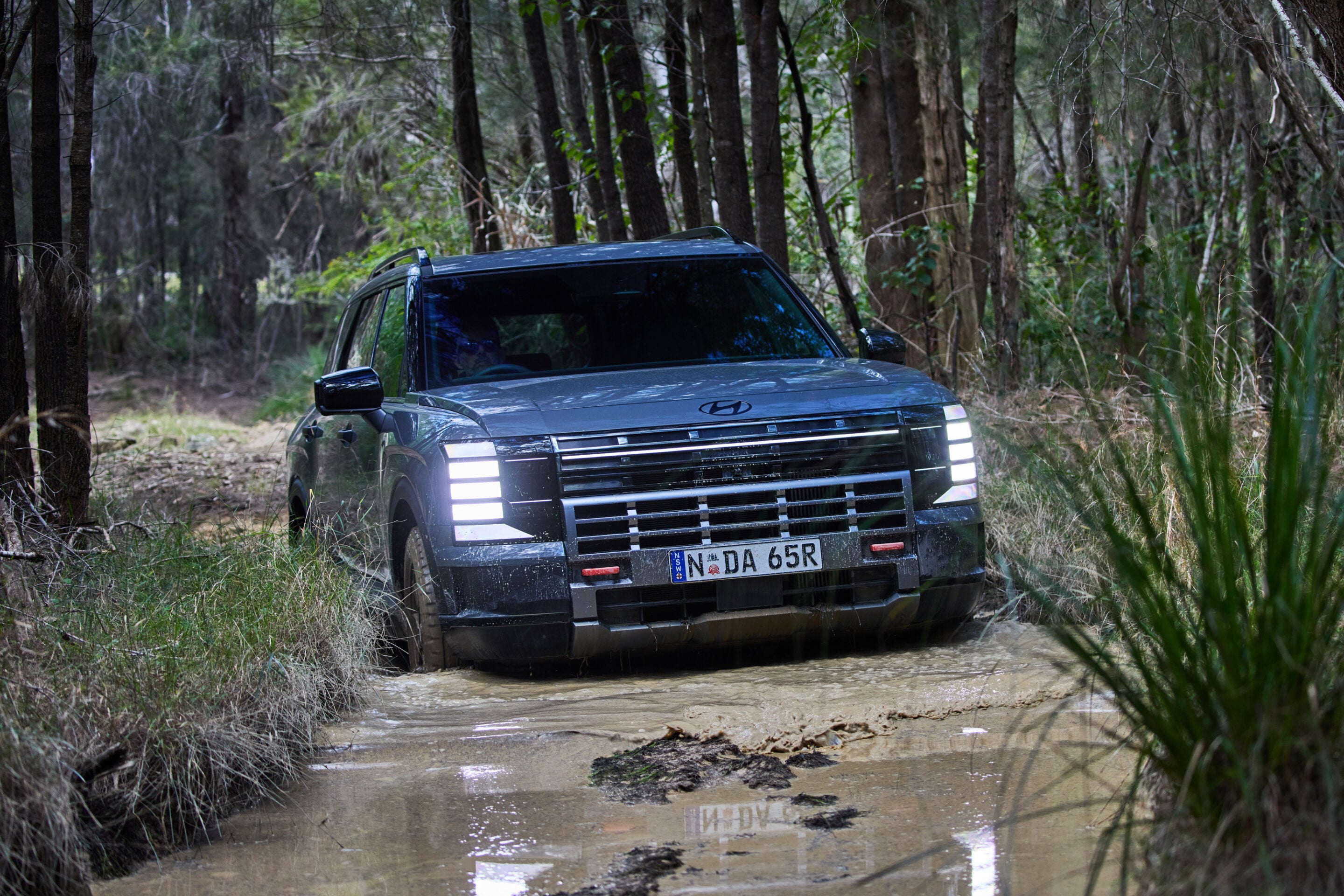
The 25mm extra ground clearance might not seem like much but it increases approach, ramp-over and departure angles measurably, now rated at 20.5, 22.4 and 18.3 degrees respectively, bringing some added reassurance you won’t rip off a bumper or side skirt when tackling steeper trails.
The underbody camera that shows the positioning of the front wheels on the terrain underneath proved helpful, even if picture clarity wasn’t as sharp as some similar setups I’ve previously experienced. Still, it’s useful, especially for anyone new to tackling adventure trails.
The various terrain drive modes – Mud, Sand, Snow – adjust things like throttle mapping, torque distribution via the e-LSD and braking to best suit the surface.
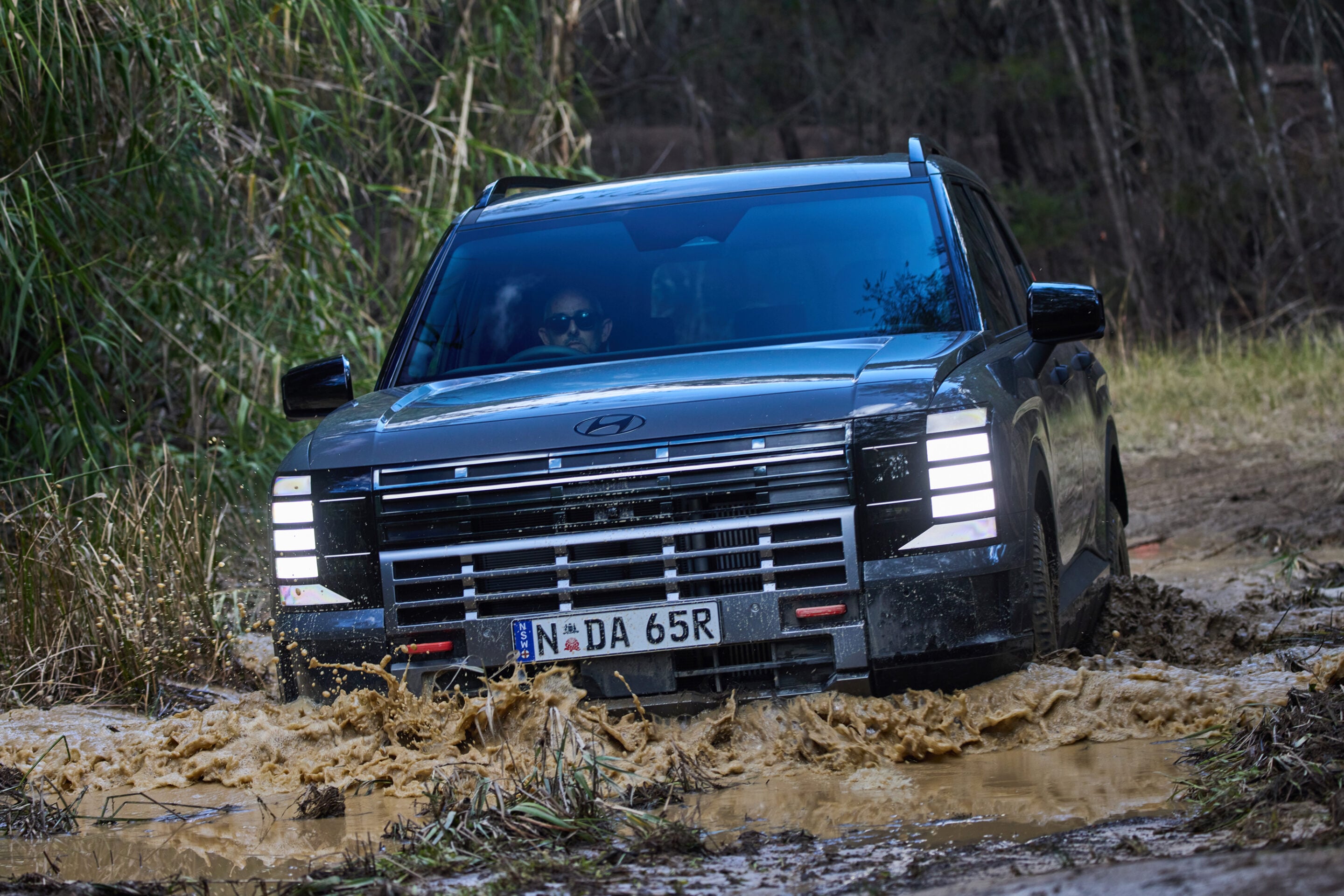
I spent my time off the beaten track exclusively in Mud mode which delivered reassuring grip while nicely I spent my time off the beaten track exclusively in mud mode which delivered reassuring grip while nicely and easily maintaining forward momentum along an ankle-deep muddy trail. The downhill brake control isn’t as refined as some I’ve experienced, a little jerky on descent but overall did keep the XRT Pro from running away with itself.
How much does the Hyundai Palisade XRT Pro cost to service?
Hyundai recommends 12-month or 10,000km (whichever comes first) visits to the workshop for servicing. That’s a bit short on the distance front where 15,000km is the industry norm. And that means anyone covering the Australian average of around 12,000-13,800km annually will be visiting their local dealership more than once per year.
The first five visits (5 years or 50,000km) will cost a total of $2366, according to Hyundai’s online service calculator. Stretch that out to seven years or 70,000km and the bill will total $3752.
Hyundai covers the XRT Pro with its standard five-year/unlimited km warranty that can be extended to seven years, providing all servicing is carried out by an authorised Hyundai dealer.
What’s the verdict on the Hyundai Palisade XRT Pro
Hyundai’s first serious attempt at an off-roader capable of more than just running comfortably down mildly-rutted dirt roads deserves praise. Sure, the XRT Pro isn’t going to have a cohort of dedicated body-on-frame off-roaders looking over their shoulders anytime soon.
But it’s more than capable of holding its own on the type of challenging trails that would thwart a flotilla of all-wheel drive soft-roaders. And that opens up possibilities for treks and destinations previously off the table for a cohort of buyers who like the idea of adventure but not to the same level of commitment as the dedicated off-roading community.
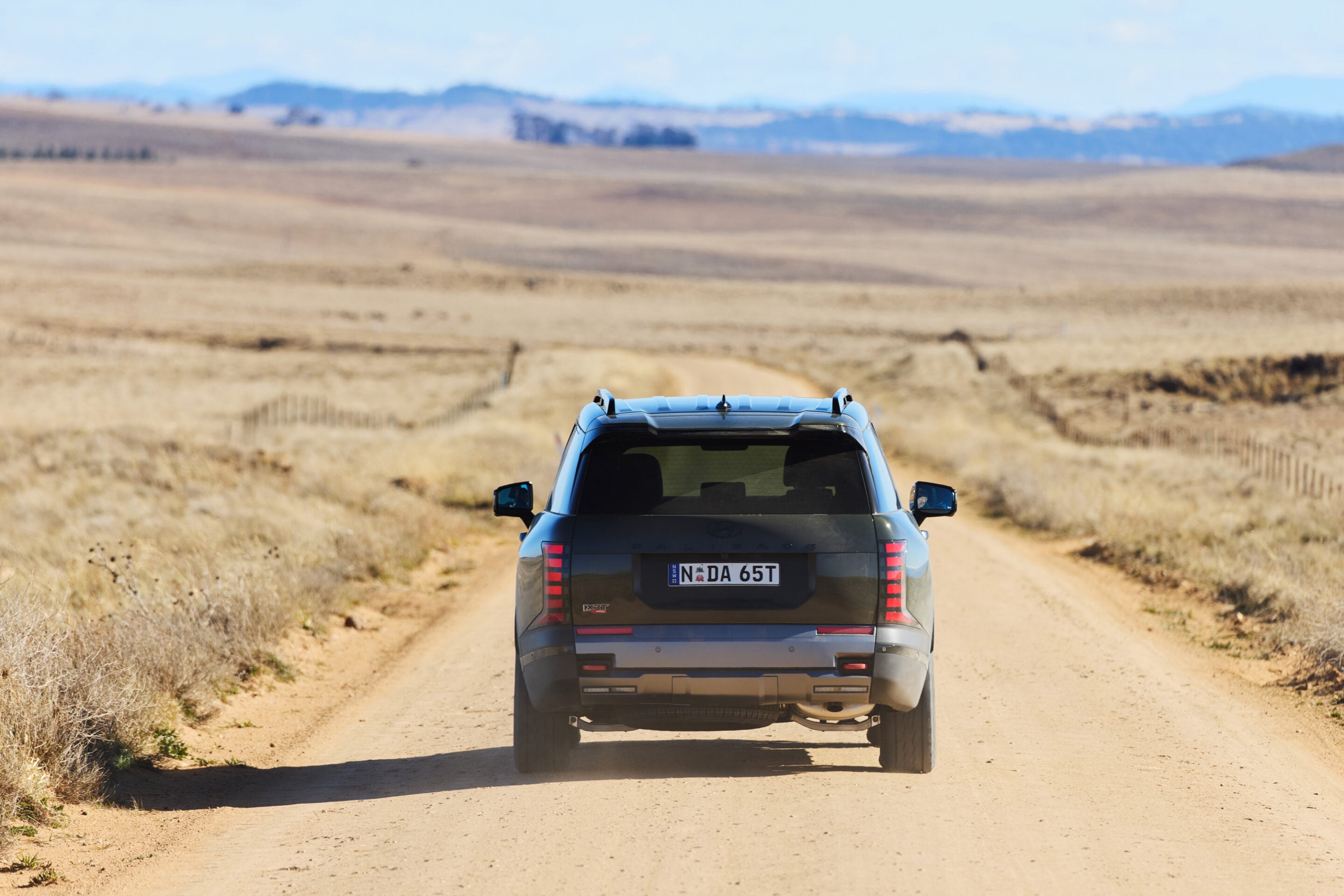
It’s not one for serious off-roaders, but the Palisade XRT Pro is a well-built bridge between everyday all-wheel drive SUVs and hard-core trailblazers.
Perhaps its neatest party trick is that Hyundai’s engineers have added some off-the-beaten track oomph without compromising on-road comfort, something that has made the regular Palisade line-up so damn appealing.
Specs – Hyundai Palisade XRT Pro
| Price | $79,900 plus on road-costs |
|---|---|
| Powertrain | 2497cc four-cylinder turbo-petrol |
| Transmission | 8-speed automatic, all-wheel drive |
| Power | 207kW (@ 5800rpm) |
| Torque | 422Nm (@ 1700-4000rpm) |
| Fuel consumption (claimed) | 11.2L/100km |
| Claimed CO2 emissions | 254g/km |
| Fuel type/tank size | 91 RON regular unleaded, 72 litres |
| Weight | 2258kg (tare mass) |
| Dimensions (L/W/H/WB) | 5090/1980/1830/2970mm |
| Turning circle | 11.88m |
| Ground clearance | 212mm |
| Approach angle | 20.5 degrees |
| Departure angle | 22.4 degrees |
| Breakover angle | 18.3 degrees |
| Towing capacity (braked) | 2200kg |
| Maximum downball weight | 160kg |
| Boot capacity | 317L litres (three rows up), 729 litres (row three folded), 2098L (rows two and three folded) |
| Spare wheel | Full-size alloy |
| Warranty | Five-year/unlimited km (extendable to seven years with dealer servicing) |
| Five-year service cost | $2366 (50,000km) |
| On sale | Now |
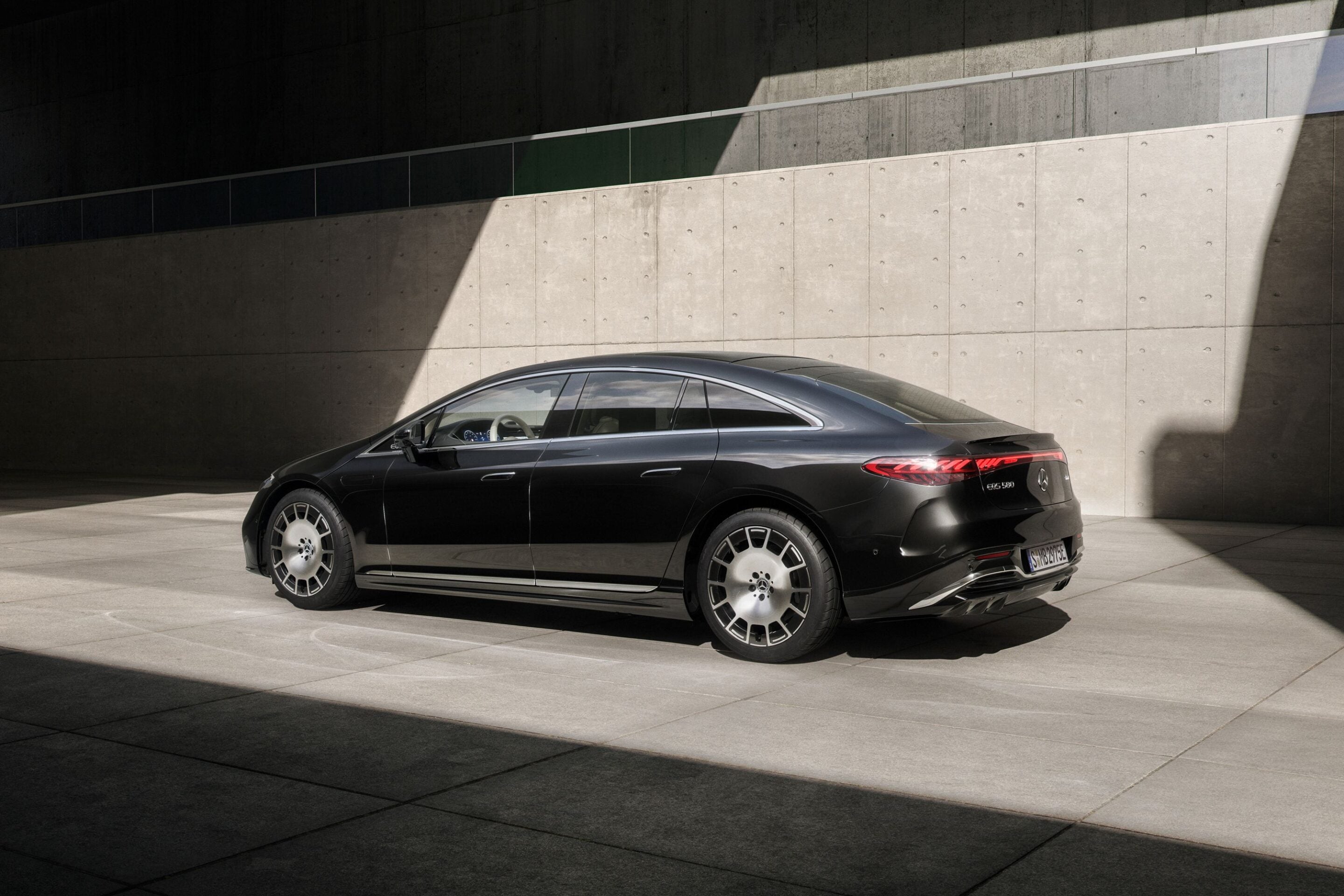
Mercedes-Benz has given its EQS electric flagship a substantial overhaul for Australia, introducing longer range, much faster charging and steer-by-wire technology alongside a redesigned exterior and upgraded cabin.
The new EQS 400 Sedan goes on sale on September 10 priced from $184,900 before on-road costs. More than a quarter of the car’s components have been developed, updated or refined as part of the changes.
Among the biggest advances is a new 800-volt electrical architecture and 112kWh usable battery, helping increase WLTP driving range to 810km. Revised battery chemistry incorporating silicon oxide and graphite allows more energy to be stored without increasing the battery’s physical size.
Maximum DC charging rises to 350kW, with Mercedes claiming up to 320km of additional WLTP range can be added in around 10 minutes under suitable conditions. Charging at 400-volt stations is supported at up to 175kW.
A new Mercedes-developed rear electric motor produces 270kW and 505Nm, driving the rear wheels through a two-speed transmission. The EQS 400 reaches 100km/h in 6.2 seconds, while regenerative braking capacity has increased to 385kW.
Perhaps the most significant change is an optional $7500 steer-by-wire package, which removes the conventional mechanical connection between the steering wheel and front wheels.
It is paired with a flattened yoke-style steering wheel and works alongside rear-wheel steering of up to 10 degrees. Buyers sticking with conventional electromechanical steering get a traditional wheel, including Mercedes’ returning rocker and roller controls.
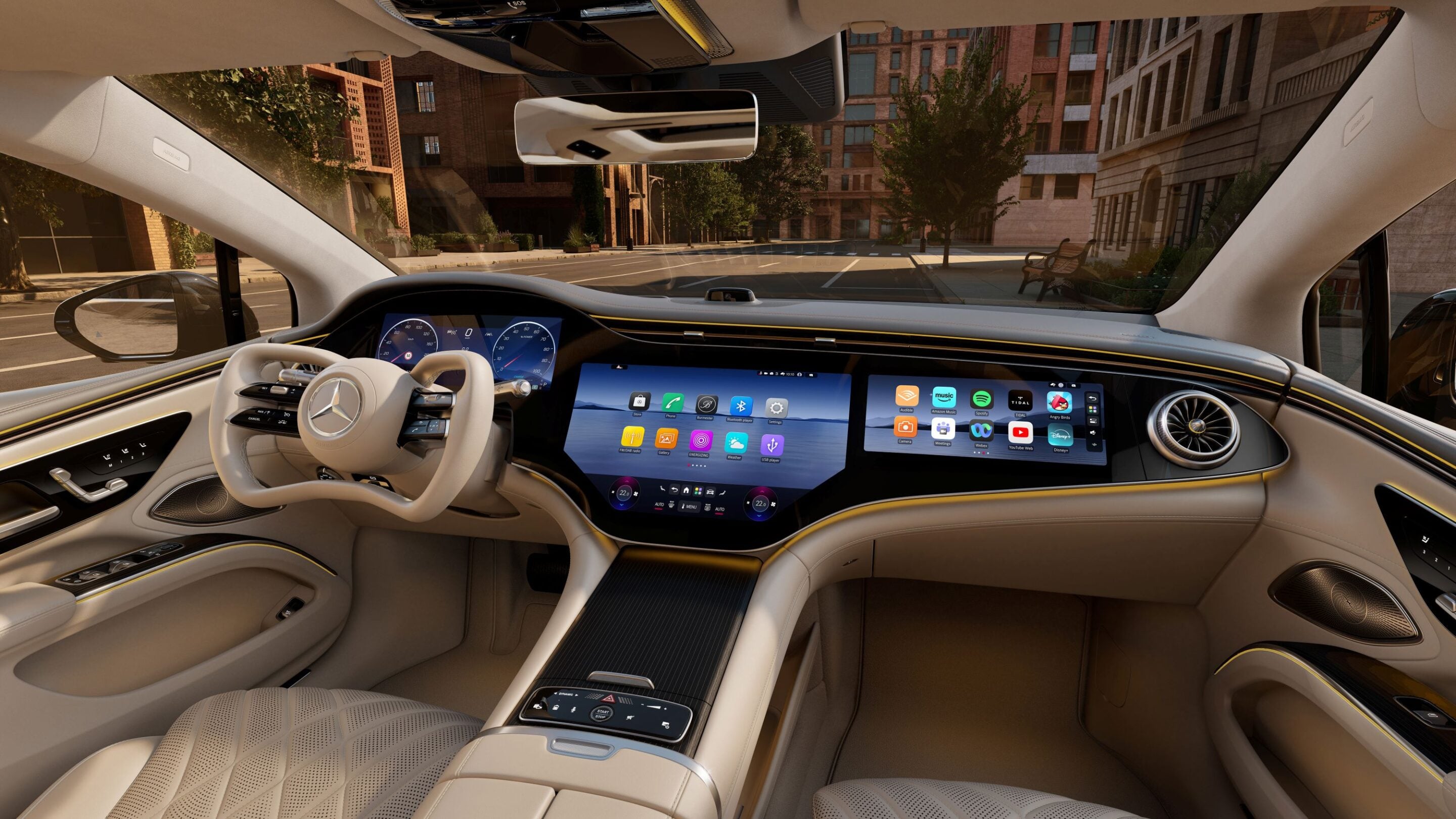
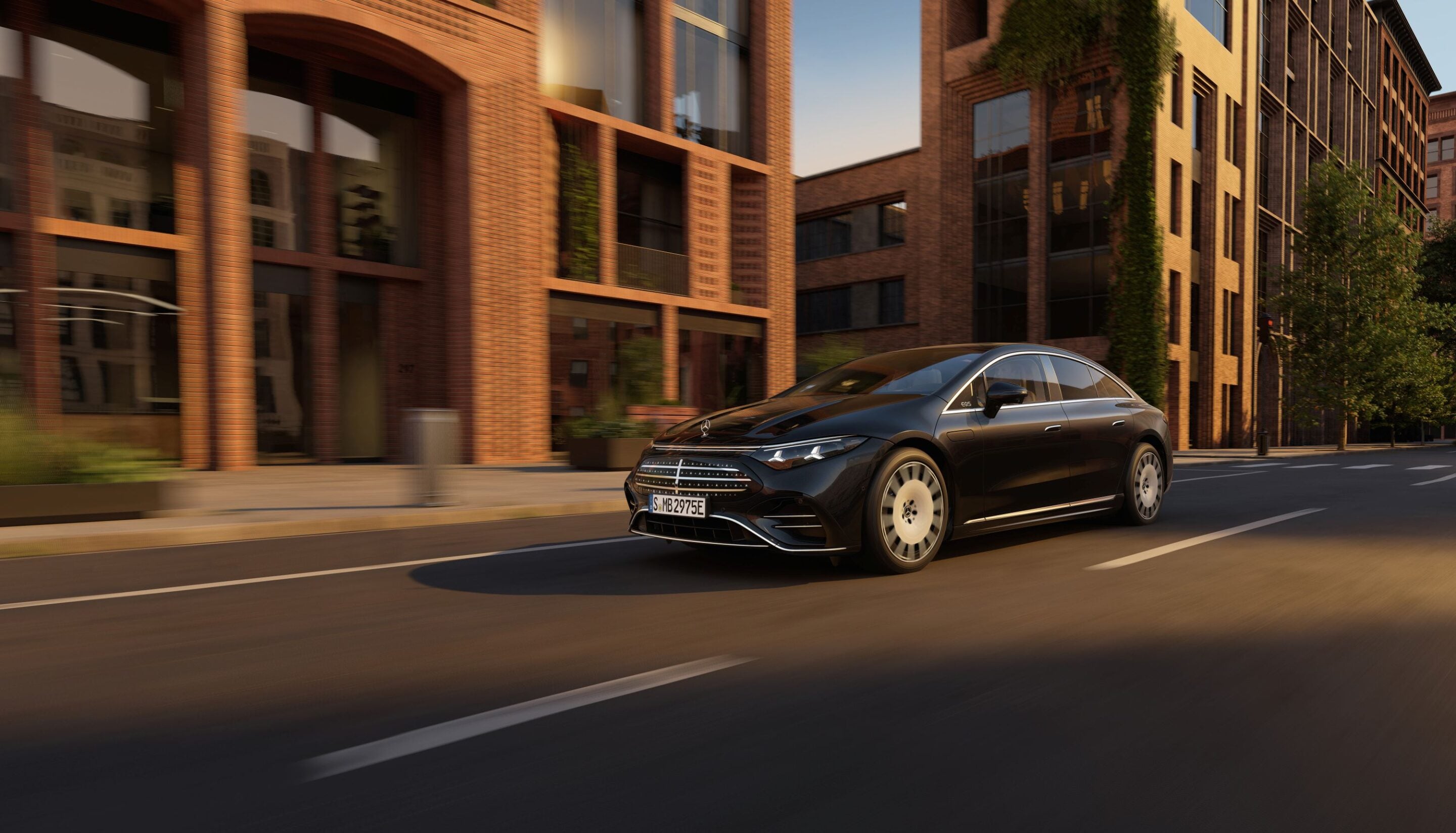
Styling changes include a reshaped bonnet, revised front bumper, illuminated star-pattern grille and redesigned rear lighting. Standard equipment includes 21-inch alloy wheels, DIGITAL LIGHT headlights and a panoramic sliding sunroof.
Inside, Mercedes’ new MB.OS operating system joins the 55-inch-plus MBUX Hyperscreen, while AI-supported voice assistance and over-the-air updates expand the digital functionality.
Standard equipment also includes AIRMATIC air suspension, Burmester 3D surround sound and HEPA filtration.
Australian buyers can add a $6000 AMG Line or $6900 Comfort Plus Package, while the steer-by-wire system remains the headline option on Mercedes-Benz’s extensively updated electric limousine.
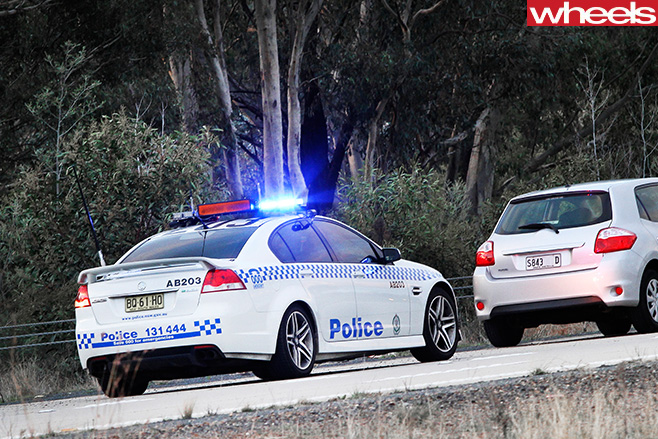
New research has named Queensland as the state or territory with the harshest fines for four of the most common driving offences, followed by South Australia, the ACT, Victoria and NSW.
Insurance giant Compare the Market created an index for rating penalties across the country for minor speeding, failing to wear a seatbelt, running a red light and illegally using a mobile phone. Each state and territory was given an “overall strictness score” from 0 to 100 in the study, which also looked at fines in the USA and Europe.
In bad news for drivers in the Sunshine State, Queensland topped the entire list, both foreign and domestic, with a score of 100 – the worst mark in the entire study. It has the highest fines in Australia for all four of the offences, with motorists who drive without a seatbelt or use their mobile behind the wheel hit with a fine of $1295 for each infringement.
South Australia scored 59.96 thanks to its minor speeding fine ($323, third-highest in Australia) and red light penalty ($620, second-highest), both of which weren’t far off the costs in Queensland.
The ACT recorded an overall score of 49.90, due in large part to its low mobile phone fine, which was rated at 23.16 on the index. Driving without a seatbelt will cost Canberrans $574, with a red-light infringement worth $522.

Victoria is next on 39.35. None of its fines for the four offences topped the index, but the mobile phone penalty is the second-harshest in Australia, with the red-light score coming third. They are offset by the seatbelt fine, which is the second-lowest.
Finally, NSW scored 22.94 with the second-lowest mobile phone penalty. The only eye-catchingly poor result for the Premier State was its red-light fine of $562, which is more expensive than the ACT and Victoria.
Oregon topped the strictness list for the USA on 57.09, driven by its $1000 mobile phone fine, the highest in America. Nevada, North Carolina and Utah followed in its wake.
Aussies who think Europe outdoes us for driving penalties will be shocked to learn that Norway, which had the worst strictness mark of any country on the continent, came in far below Queensland at 83.64. Using your phone results in a $1418 fine, with minor speeding setting offenders back a shocking $1522.
Toyota will go from redesigning its models every seven years to waiting almost a decade before freshening them up in what amounts to a huge shift in the brand’s product cycles, according to a report in Japan.
The new strategy comes as Toyota deals with long waiting lists for some of its most popular models, such as the LandCruiser, with demand remaining strong enough to lengthen the redesign process significantly.
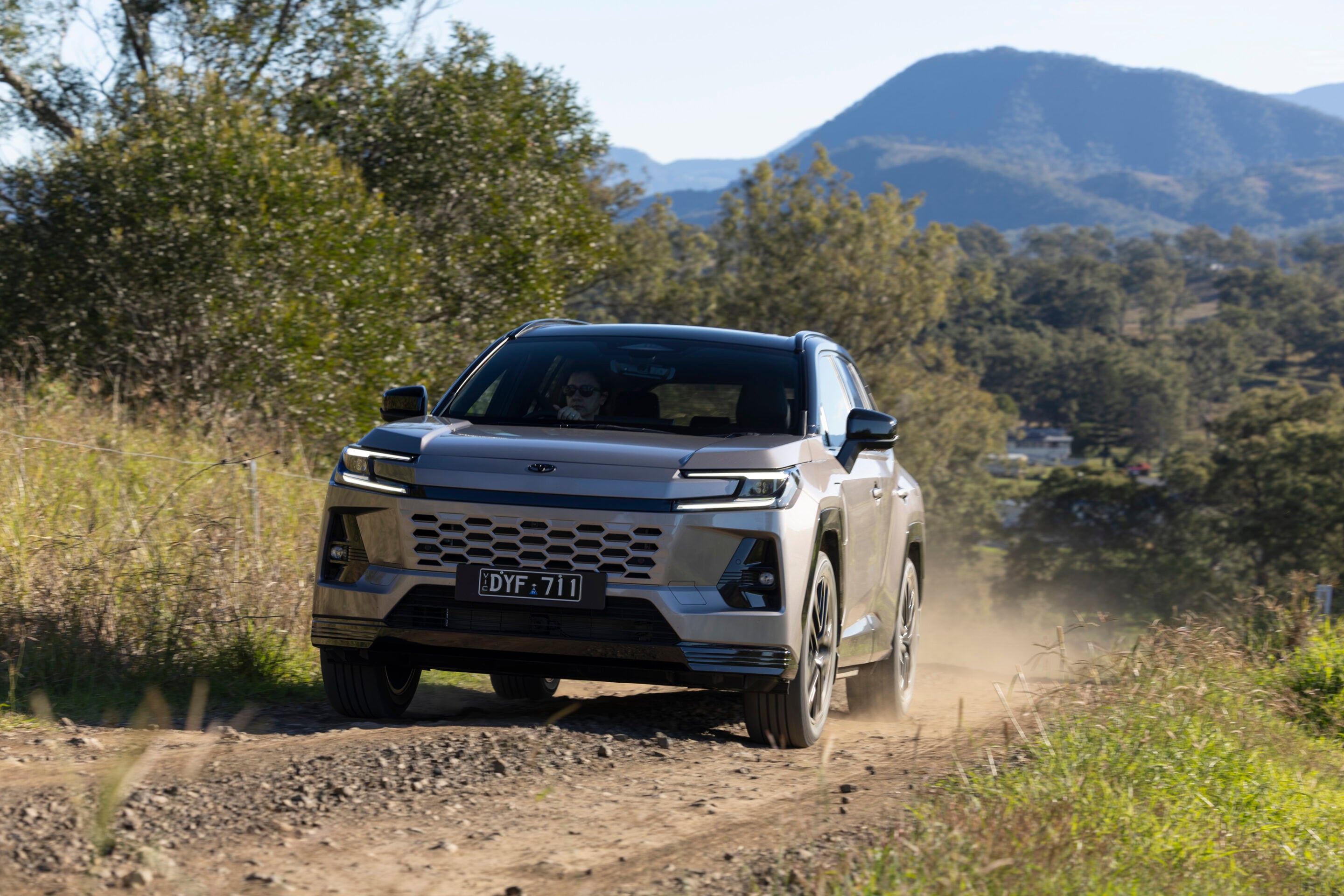
The report in Nikkei says Toyota is extending the average sales cycle of its mainstream models to nine years. Instead of making big changes to vehicles’ bodywork, chassis, drivetrain and other mechanicals, refreshes will centre more around substantial software updates.
Toyota’s shift comes after the launch of its Software Defined Vehicle (SDV) strategy, which allows the development of new and updated functions through digital technology alone. The move will also free up resources that can be devoted to the firm’s focus on electrification.
The SDV plan is a major part of the brand’s drive to increase profits from sources other than new-car sales by around 40 per cent by 2030. Over-the-air software updates for functions like powertrain calibration, safety systems and multimedia operations are driven through the company’s Arene software platform, described as “Toyota’s tugboat into the future” by CEO Hajime Kumabe.
Toyota is now looking to charge customers extra for such updates, and the process has already begun. Owners of the performance-focused GR Yaris and GR Corolla can already pay to download a cooling function that manages temperatures during hard driving, for example. Subscription-based services could also be offered, although some other manufacturers have suffered blowback for bringing them in.
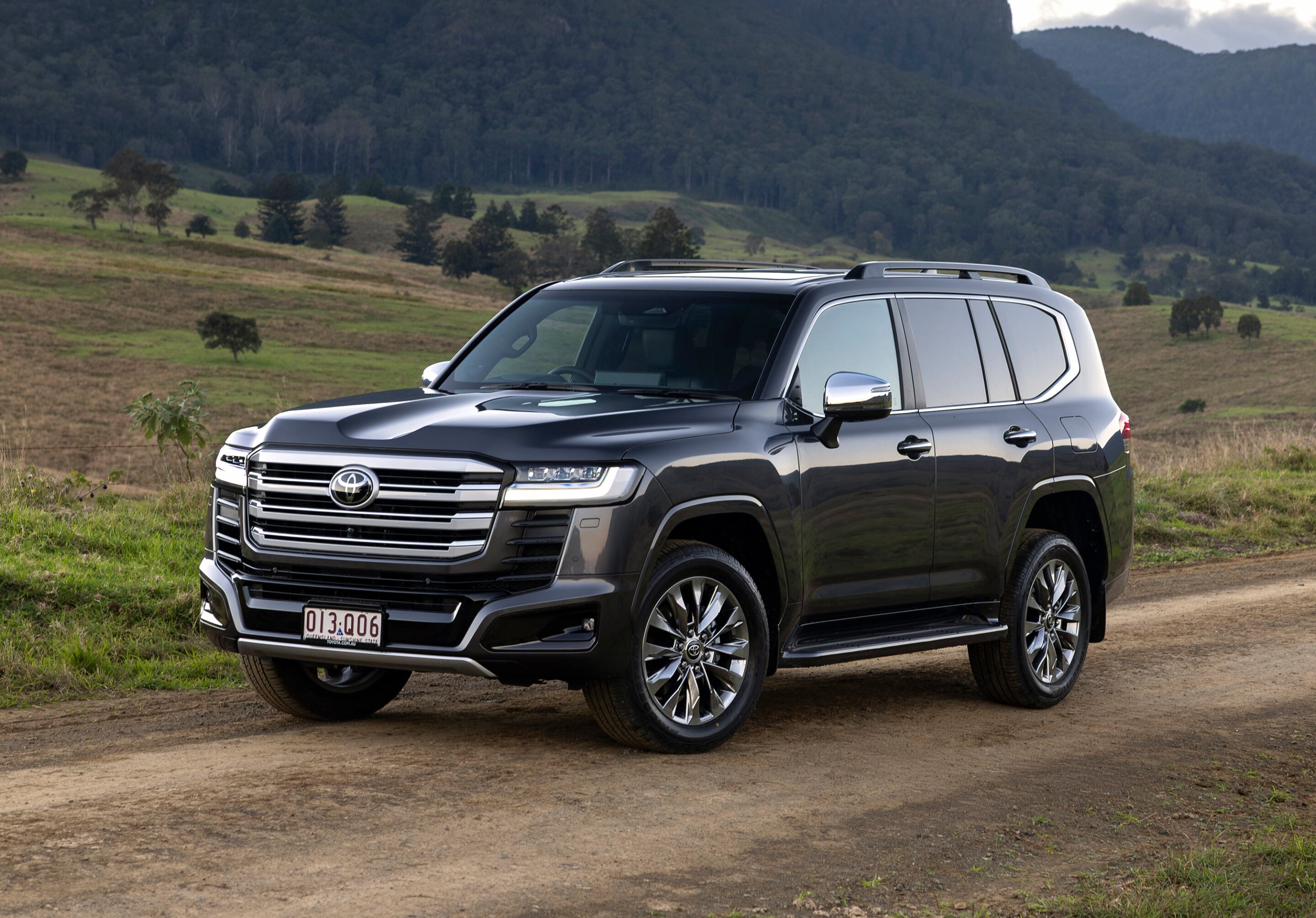
The imbalance between supply and demand for models is a key factor in the switch to longer cycles. Toyota has even had to suspend orders for models like the LandCruiser 70 series because wait times were becoming so long. The Camry was hit by such a move in Australia in 2023.
Sales of used Toyotas – which have always been strong – should benefit from the switch too. The company’s models are well known for retaining value when they get sold on, and the ability to keep evolving them under the skin will only add to that.
However, Nikkei also reported that the new cycle has encountered opposition from dealers in Japan, who are worried about their margins being eaten away as a result of the plan bringing in more flexible prices.
Porsche has sold its stakes in Bugatti Rimac and the Rimac Group for approximately $1.6 billion as the brand continues to reel from the 98 per cent drop in profits it suffered in 2025. The sale has provided the company with a predicted leap of more than two per cent in cash flow for the calendar year.
A quarter of the proceeds for the sale will be used to meet Porsche’s pension obligations to its workers, the company said in a statement. The German marque’s cash flow margin for the year was forecast at three to five per cent, but that has now been lifted to 5.5 to 7.5 per cent as a result of the move.
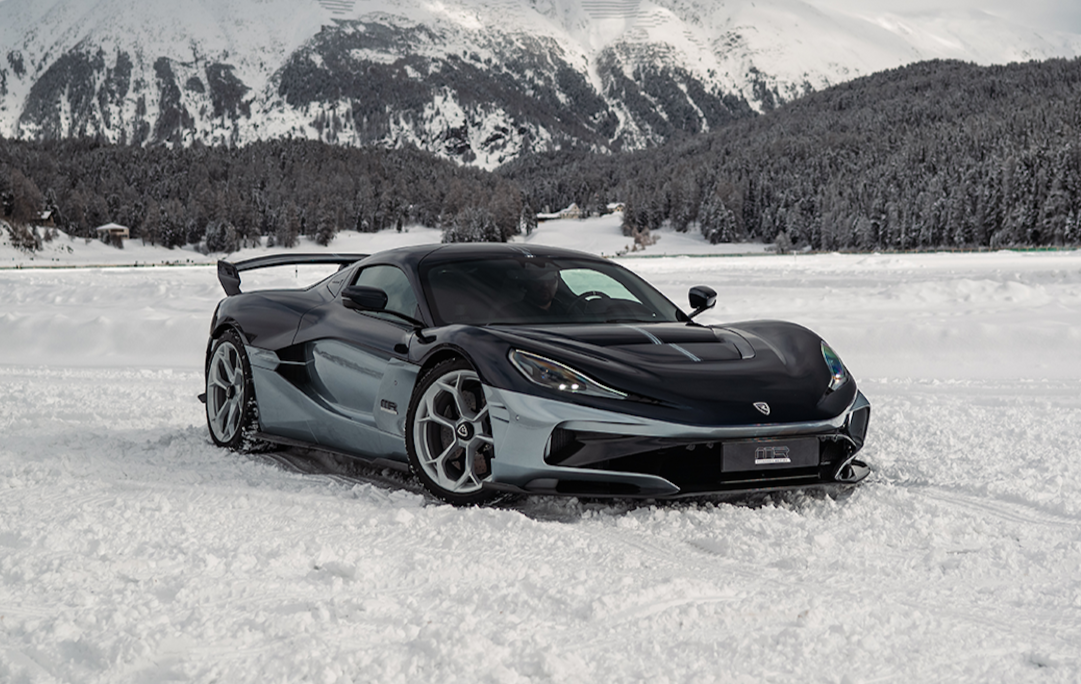
Porsche sold its stake to a consortium led by HOF Capital, leaving Rimac Group (RG) as the 55 per cent majority shareholder in Bugatti Rimac. The deal ends the joint venture between the Stuttgart firm and RG, which was established in 2021. It also brings to a close the Volkswagen Group’s involvement with Bugatti, which stretches back to its purchase of the brand in 1998.
The sale has also resulted in a leadership shake-up at Bugatti Rimac. CEO Mate Rimac remains in that position and will also serve as president of Bugatti Automobiles, with Christophe Piochon stepping down from that job. Marko Brkljačić is coming in as chief operating officer.
Rimac was founded in Croatia in 2009, and its electric sports cars have attracted plenty of headlines for their outrageous performance. For example, the quad-motor Nevera set a Nordschleife lap record in August 2023, beating the mark set by the Tesla Model Plaid by an incredible 20 seconds.
Offloading its stake continues Porsche’s mission to streamline its business in the wake of that spectacularly bad profit result. It sold its management and IT consulting subsidiary, MHP, to Tata Consultancy Services for $515 million late last month, and there are plenty more big changes in the pipeline.
In July it was reported that Porsche’s supervisory board approved a plan to axe 5000 more jobs in Germany, coming after a previous cut of 3900 positions. The brand has also been streamlining its product and trim offerings, not to mention downsizing its management and bureaucracy.
Victoria has emerged as Australia’s car crime hotspot, with more than 12,300 insurance claims for stolen or broken-into vehicles lodged during the 2025-26 financial year.
New Insurance Statistics Australia data analysed by the Insurance Council of Australia shows those claims cost insurers $244 million, with most incidents occurring in metropolitan Melbourne.
The figures equate to a Victorian vehicle being stolen or broken into every 43 minutes. According to the Insurance Council, more cars are stolen or broken into in Melbourne than in every other Australian capital city combined.

Victoria also stands apart from the national trend. While every other state and territory recorded a decline in motor theft claims over the same period, Victorian numbers remained broadly steady and their cost increased.
Insurance claims relating to motor theft cost $233 million in Victoria in the previous financial year, meaning the annual bill has risen by $11 million to $244 million.
The figures have emerged ahead of Victoria’s November 28 state election, where crime is expected to be a major campaign issue.
Insurance Council chief executive Andrew Hall said the data showed crime was having a direct impact on households, businesses and communities.
The industry body has called on the next Victorian government to introduce a statewide strategy targeting car theft and property crime. Its recommendations include improved intelligence-sharing between agencies, targeted crime-prevention measures and greater investment in specialist law-enforcement capabilities.
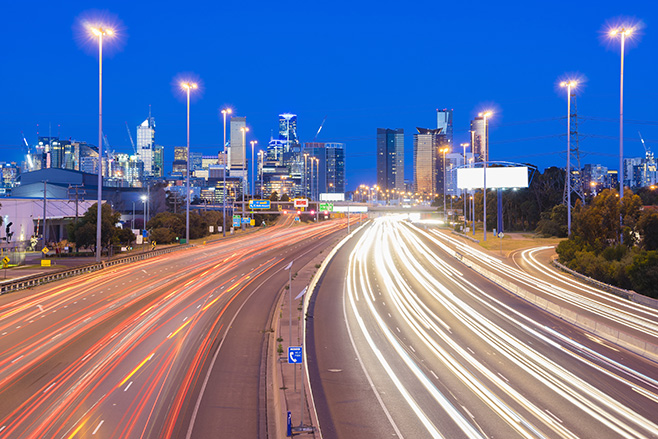
The Opposition has linked increasing crime to insurance costs, with Opposition Leader Jess Wilson promising to recruit an additional 3000 police officers if elected, along with tougher bail measures and changes to sentencing laws.
The Victorian Government, meanwhile, argues recent measures are beginning to have an effect on some categories of offending. It has pointed to tougher bail laws, its “adult crime, adult time” reforms and additional police resources.
However, while insurance claims for home theft and burglary declined during 2025-26, the motor figures have shown no comparable improvement.
The Insurance Council argues reducing vehicle theft could also have a broader financial benefit, with the escalating cost of claims ultimately contributing to pressure on insurance premiums paid by Victorian motorists.
Drivers in Canberra and Western Australia who have been busted failing to wear seatbelts by AI cameras have had their fines thrown into doubt due to legal issues, with the total number of motorists affected stretching into the thousands.
Around 13,000 fines have been called into question in Canberra, where authorities failed to properly update a legal document governing the use of the cameras. Access Canberra, which is the primary contact point for government services in the ACT, recently discovered that the cameras were certified to detect drivers using mobile phones, but their legal underpinning had never been changed to explicitly include seatbelt offences.
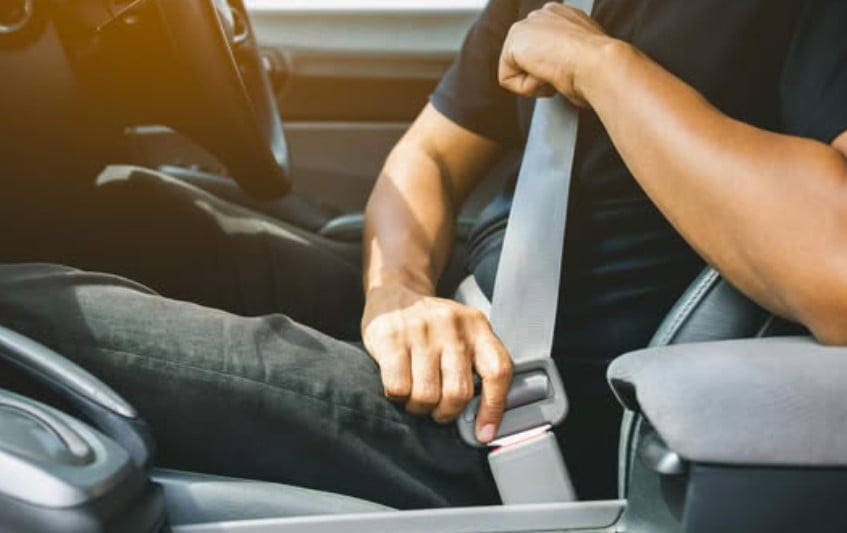
The problem had gone unnoticed since the ACT started using the cameras in November 2025, hence the high number of fines that have been affected. Access Canberra stopped issuing seatbelt fines when the issue was detected two weeks ago, but has resumed doing so now that it has been rectified.
Around 6500 drivers have already paid their fines, and Access Canberra considers those cases “settled” and their demerits still apply despite the legal mistake.
“The cameras are authorised for use as a traffic offence control device. It’s just that the disallowable instrument didn’t include the word ‘seatbelt’,” Access Canberra head Josh Rynehart explained.
“We consider once a person has paid their infringement, that that matter is settled and the demerits then do apply to their licence. The question is about whether the evidence would be admissible in court, not whether the evidence is correct.”
Rynehart said motorists can seek a withdrawal or dispute the fines. He said all 20 of the seatbelt offences that have been contested in court have been upheld.
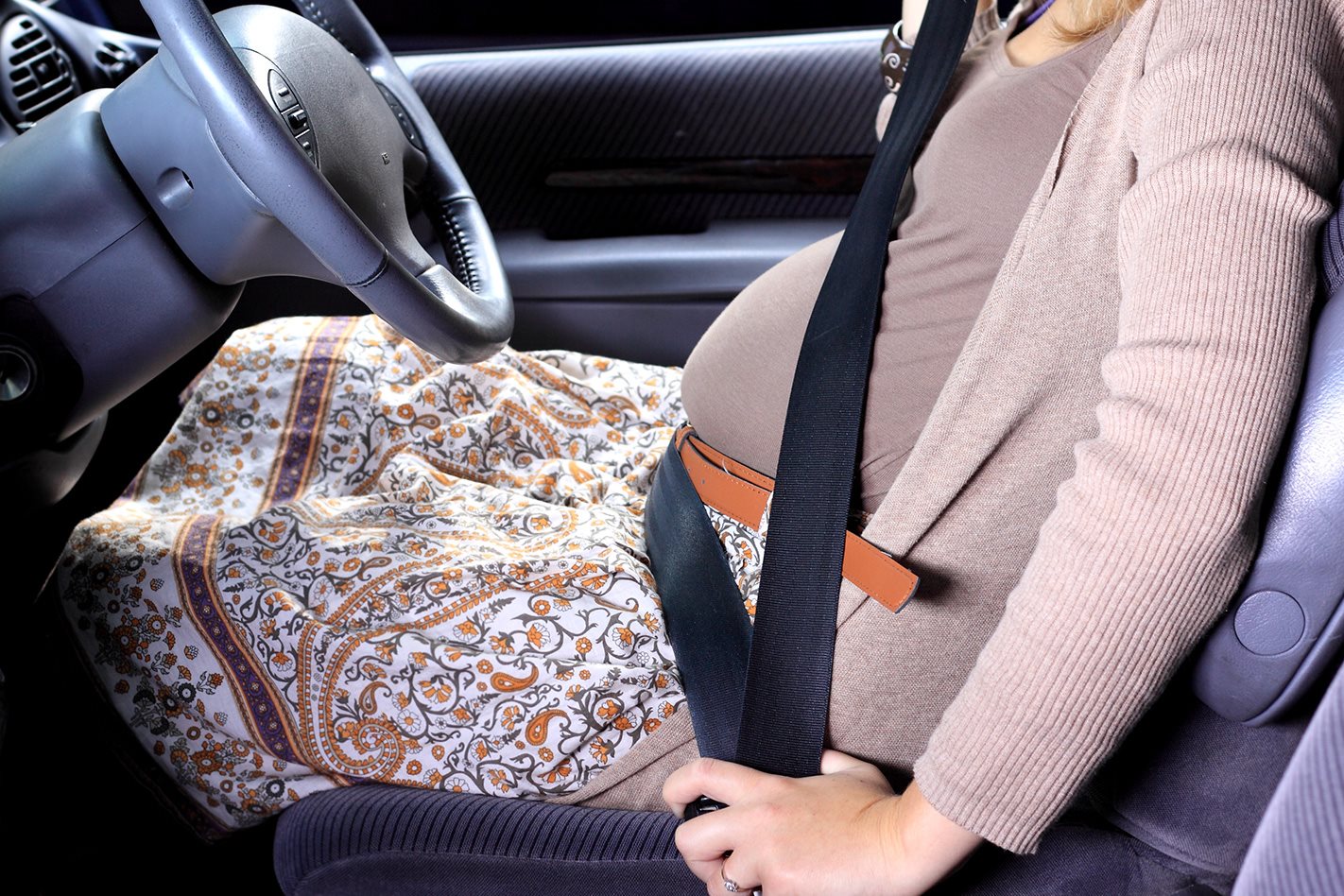
There is a similar situation in Western Australia, where police have dropped hundreds of seatbelt-related fines because police are having problems proving drivers who were busted on the AI cameras knew their passengers were not properly belted up.
WA started using the cameras last October and more than 81,000 seatbelt infringements have been issued since then. About 5700 of those, or approximately seven per cent, have been overturned when drivers have disputed them.
Police commissioner Col Blanch said authorities have “no reasonable prospect” of conviction and prosecutors are dropping the fines and demerits when motorists put up “reasonable defences”. However, he warned that “doesn’t mean everyone can make up a story and just tell us what they think”.
Affected drivers have told the ABC that they received infringements after cameras picked up their child momentarily putting the sash of the seatbelt under their arm, or when a passenger’s seatbelt slipped off for an instant while they reached for something in the vehicle.
Mazda’s Australian line-up has undergone some major changes over the past few years, and the transformation isn’t finished yet. The Japanese brand has already had a busy 2026, headlined by the arrival of the all-new CX-5 and the all-electric Mazda 6e – the latter marking Mazda Australia’s long-awaited return to the electric vehicle market. But that’s just scratching the surface.
Before the end of 2026, Mazda will launch its first electric medium SUV in Australia, while further down the track, attention will turn towards its long-awaited hybrid technology, including an electrified version of its hugely important CX-5. Here’s the latest on what Mazda has planned…
Mazda CX-6e: Imminent
The biggest new Mazda coming to Australia during 2026 is the CX-6e, the brand’s first medium-sized electric SUV. It’s closely related to the Mazda 6e electric liftback that arrived earlier this year and is another product from Mazda’s joint venture with Chinese manufacturer Changan. Importantly, the CX-6e will give Mazda a direct rival for popular electric SUVs such as the Tesla Model Y, BYD Sealion 7 and Kia EV5.
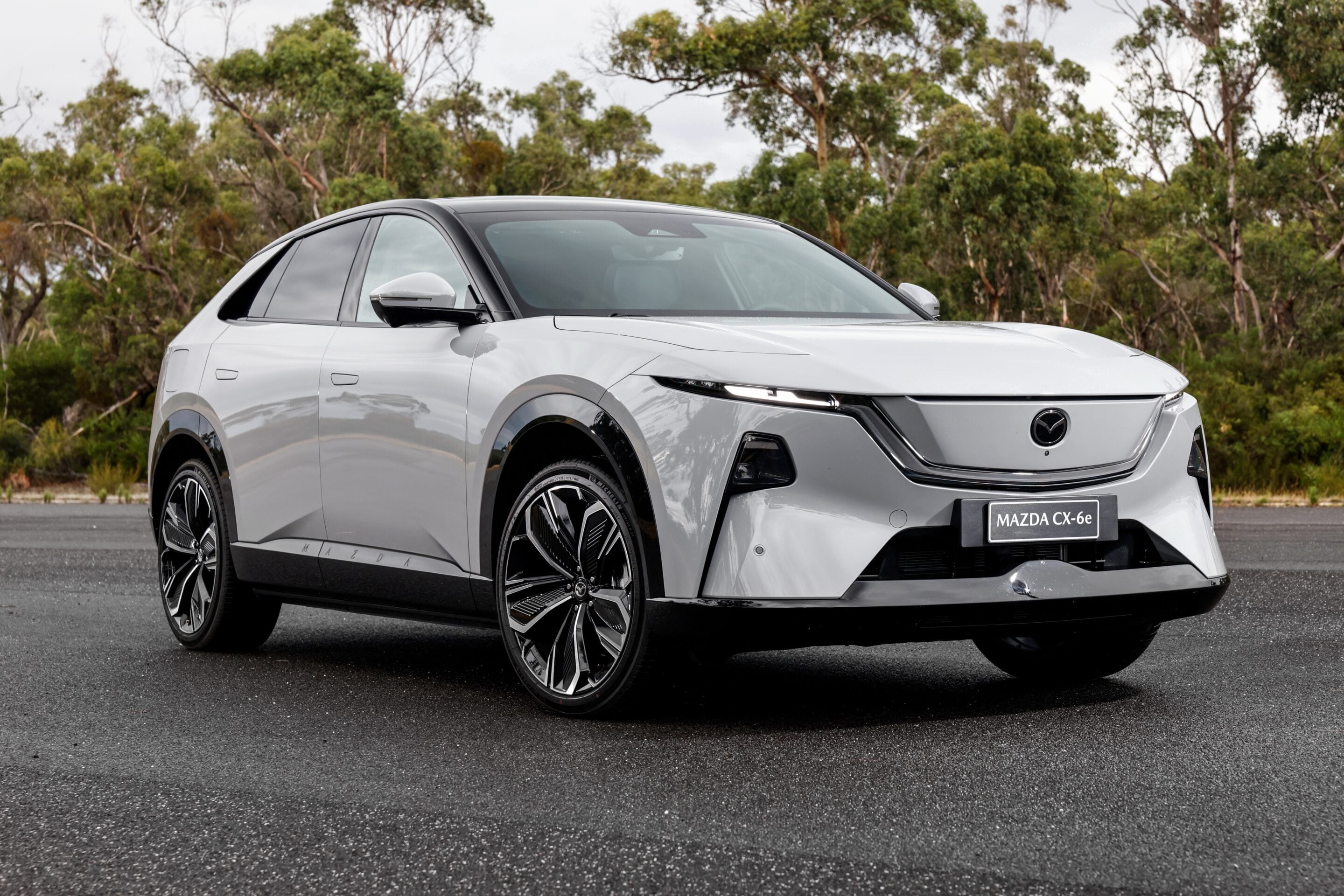
Measuring 4850mm long, 1935mm wide and 1620mm tall, the CX-6e is a considerable 160mm longer than the CX-5 and features sharp exterior styling. All Australian CX-6e models will use a 78kWh battery feeding a 190kW/290Nm rear-mounted electric motor, for up to 486km of WLTP-rated driving. A healthy 195kW maximum DC charging rate allows the battery to be charged from 30 to 80 per cent in a claimed 15 minutes.
The cabin is dominated by an enormous 26-inch widescreen display, while equipment includes a head-up display, panoramic glass roof and a comprehensive suite of active safety technology. The CX-6e is available to pre-order now ahead of Australian deliveries commencing later in 2026.
Mazda CX-5 Hybrid: 2027 and beyond
The third-generation CX-5 only arrived in Australian showrooms earlier this year, but the most important version is still to come. Every Australian CX-5 uses a familiar naturally aspirated 2.5-litre four-cylinder petrol engine paired with a six-speed automatic transmission and all-wheel drive. However, that will eventually change with the introduction of Mazda’s first internally developed full-hybrid drivetrain.
Unlike the hybrid system used in models such as the North American CX-50 – which borrows technology from the Toyota RAV4 – the forthcoming CX-5 Hybrid will use Mazda’s own set-up paired with its new ‘SkyActiv-Z’ petrol engine. Mazda says SkyActiv-Z is being developed to offer improved thermal efficiency and cleaner combustion, while the hybrid system will provide electric assistance to further reduce fuel consumption and emissions.
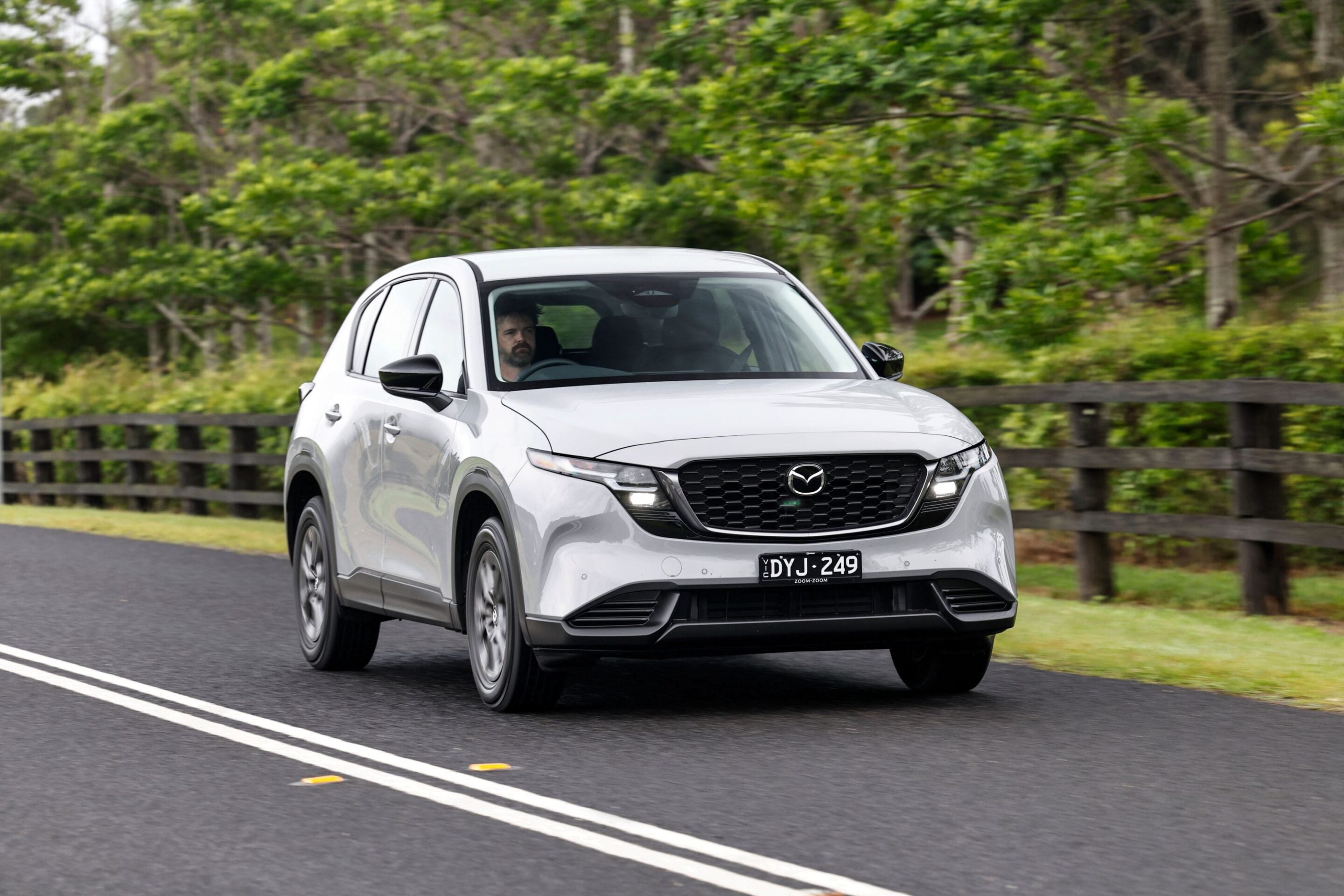
The technology is particularly important for Mazda Australia, where the CX-5 remains one of the company’s biggest-selling models and competes against rivals that have embraced electrification, including the aforementioned Toyota RAV4, as well as the Hyundai Tucson, Kia Sportage and Honda CR-V.
Mazda Australia has indicated it wants to offer the hybrid drivetrain broadly across the CX-5 range rather than restricting it to expensive flagship variants. Global production is expected to begin in 2027, although Australian timing remains less certain and could stretch into 2028.
Mazda CX-60, CX-70, CX-80 and CX-90: Major updates coming
Mazda’s four ‘Large Architecture’ SUVs are also in line for significant changes, with the company confirming plans to facelift the CX-60, CX-70, CX-80 and CX-90. Rather than a conventional model-year update, Mazda is promising substantial changes to all four models, which share the brand’s longitudinal Large Architecture platform and a family of six-cylinder mild-hybrid and plug-in hybrid powertrains.
Mazda president Masahiro Moro has confirmed that the company intends to make changes to the exterior styling, interiors and powertrains of the four SUVs, describing the scale of the upgrades as greater than anything Mazda has previously attempted. Mixed sales performance globally has prompted the company to make the changes.
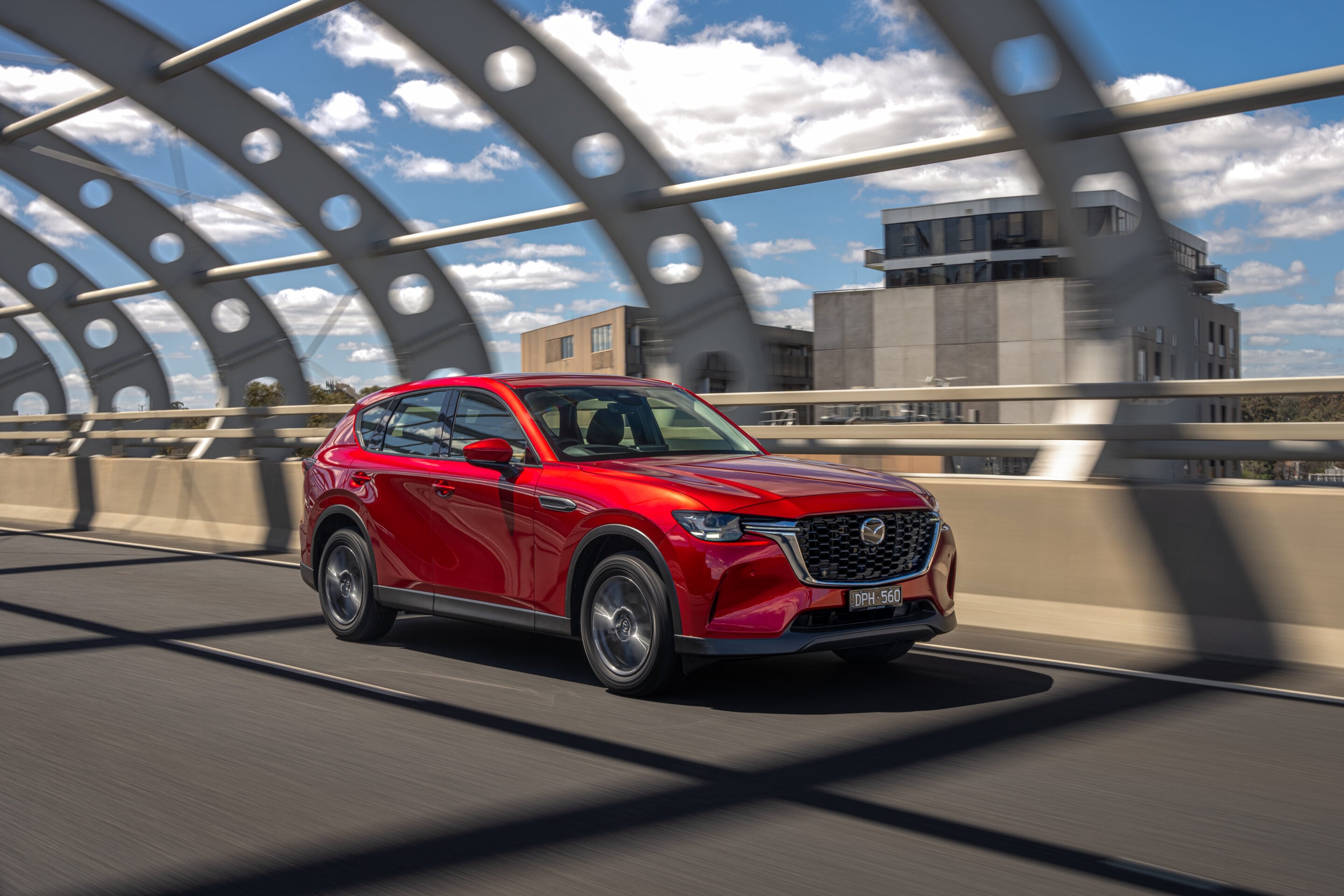
Exactly what will change and when is yet to be confirmed, although Mazda has previously said that its new SkyActiv-Z combustion technology will eventually be rolled out to its inline six-cylinder engines. The company is also considering incorporating elements of its forthcoming in-house hybrid system into its Large Architecture models.
Don’t expect all of that technology immediately, however. SkyActiv-Z isn’t due to reach Mazda’s six-cylinder engines until later in the decade, meaning the nearer-term updates could instead focus on improving the existing powertrains alongside substantial cabin and styling revisions.
Mazda’s next-generation hybrids: 2027 and beyond
The CX-5 won’t be the only Mazda to benefit from the company’s new hybrid technology. SkyActiv-Z is being developed as an important part of Mazda’s next-generation combustion engine line-up and will eventually replace the existing SkyActiv-G and SkyActiv-X engine families.
That could ultimately see more of Mazda’s familiar models adopt conventional hybrid power, providing an important middle ground between its petrol-powered range and newer electric models such as the 6e and CX-6e. Exactly which Australian vehicles will receive the technology next is yet to be confirmed, but expect hybridisation to become increasingly prominent across Mazda’s range during the next few years.
What else is Mazda working on?
Look beyond the immediate Australian product pipeline and things become considerably more interesting. Mazda previewed its longer-term future at the 2025 Japan Mobility Show with the Vision X-Coupe and Vision X-Compact concepts. The Vision X-Coupe (pictured below) is particularly intriguing, combining a two-rotor turbocharged rotary engine with a plug-in hybrid system producing a claimed 375kW. At the time, Mazda said the concept could travel up to 160km using electric power alone.
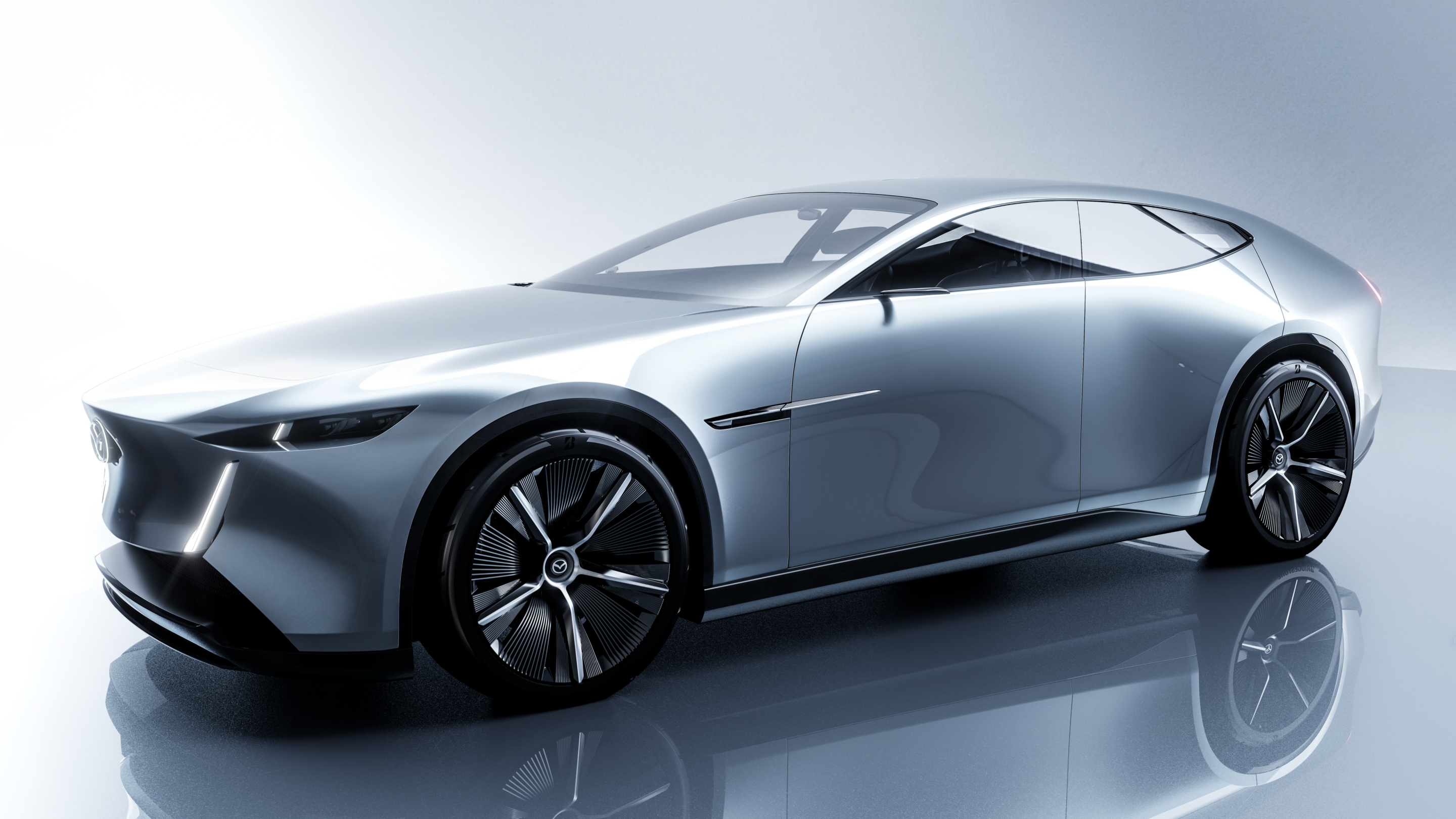
The smaller Vision X-Compact, meanwhile, previews Mazda’s thinking around its next generation of small cars and could provide clues about an eventual replacement for the Mazda2. Neither is confirmed for production, let alone Australia, but both provide a glimpse at where the marque is heading beyond 2027.
What about Mazda’s next dedicated EV?
Mazda is also developing its own dedicated electric vehicle architecture, reducing its reliance on models co-developed with Changan. The first production vehicle based on the new platform is expected to arrive globally later in the decade, with Mazda previously targeting 2027 for the first model before revising its broader electrification plans.
Mazda might not have the enormous stream of new models coming from some rival brands, but the next few years could prove pivotal. The CX-6e gives it a serious electric SUV contender, while the arrival of Mazda’s own hybrid technology could be even more important. Once that tech reaches models such as the CX-5, Mazda will finally have a direct answer to the hybrids that have increasingly come to dominate some of Australia’s most important new-car segments.
A P-plate driver has been fined $1104 after Queensland police allegedly busted him steering his car with his knees while he buttered a bagel earlier this week. The 29-year-old was captured in footage from an officer’s body-worn camera as he admitted he’d been “stupid” after he was pulled over.
The man was allegedly caught in the act in Toowoomba at about 3.50pm on September 7. The sergeant who handed out the fine asked him, “Can you explain to me why, in four lanes of traffic that’s quite busy at this time of day, that you thought steering a motor vehicle on your Ps with your knees while you buttered a bagel would be a great idea?”
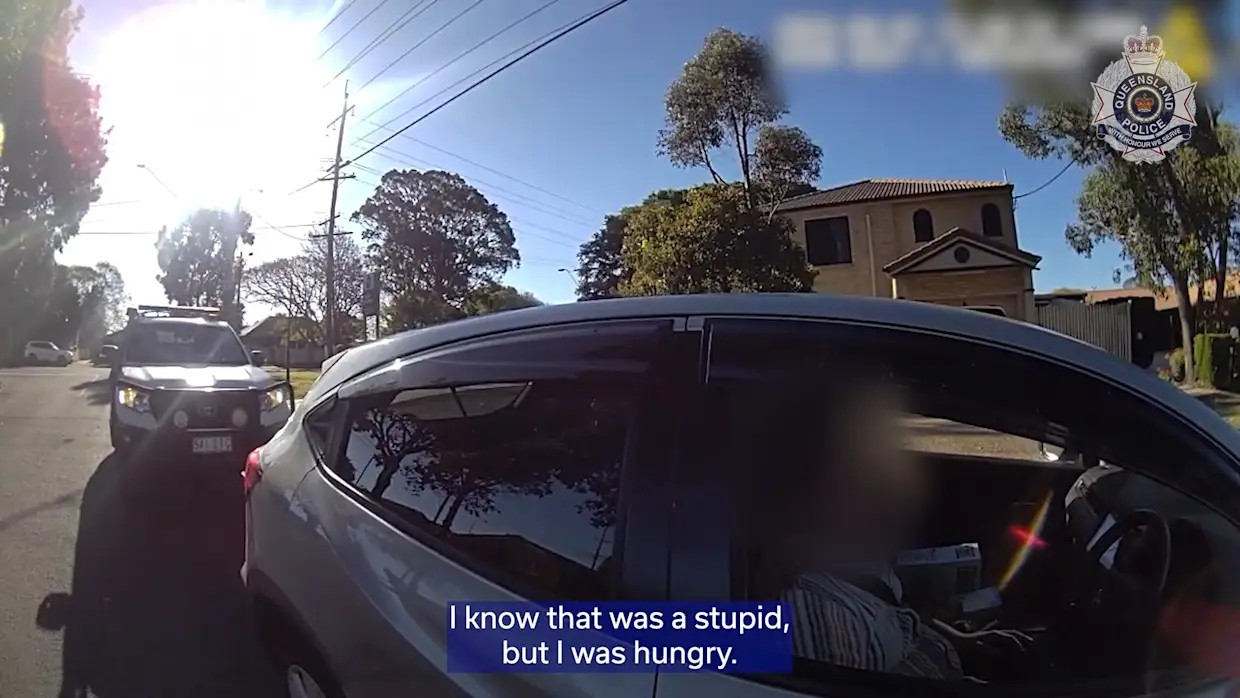
The P-plater replied, “I know that was stupid, but I was hungry. I’ve been working since this morning.” The officer then delivered more bad news as he told the driver his registration had expired three days beforehand.
The policeman then fines the motorist for driving an unregistered vehicle, and driving without due care and attention, before telling him, “I can’t understand how you thought that would be a great idea in all that traffic.”
In addition to the $1104 fine, the 29-year-old lost three demerit points – and another stern reminder from one of the sergeant’s colleagues, Darling Downs Officer Acting Superintendent Kelly Hanlen.
“Taking your hands and focus away from the task of driving, even for something as seemingly harmless as preparing food, can have serious consequences,” Hanlen said.
“I want to remind motorists there is no meal, message or other distraction worth risking your safety or the safety of other road users. If you’re driving, keep your attention on the road and your hands where they belong – on the wheel.”
